Jump to content on:
What does CAMHS mean?
You might also hear CAMHS called Children and Young People’s Mental Health Services, or CYPMHS.
Most local areas have their own CAMHS services. All CAMHS services have things in common, because they follow evidence-based guidelines about helping young people. Your exact experience might be different depending on where you live because each CAMHS service is unique – they might do some things a bit differently.
What can CAMHS help with?
CAMHS can help with mental health conditions, unhealthy ways of coping, and neurodevelopmental conditions including:
- Depression
- Anxiety
- Autism
- ADHD
- Psychosis
- Coping with trauma (including if you have PTSD or C-PTSD)
- Self-harm
- Suicidal thoughts and feelings
- Eating problems
Who can go to CAMHS?
CAMHS usually helps young people who are aged under 18.
If you’re almost 18, CAMHS will usually still see you, but they might refer you to Adult Mental Health Servies for support (especially if it’s likely you’d turn 18 while on a waiting list for support within CAMHS).
How can I get help from CAMHS?
Being referred to CAMHS
To get help from most CAMHS services, you need to be referred by a professional. This means that someone like a GP, a person at school, or a social worker contacts CAMHS and tells them that you’re struggling with your mental health and might need some more help.
In some parts of England, you might be able to refer yourself to CAMHS by getting in touch through an online form, for example.
Being assessed by CAMHS
Once they have your referral, CAMHS will get in touch with you. They might need some more information from you, or they might give you an appointment for an assessment. You might have to wait on a waiting list for your assessment.
After a CAMHS assessment
After your assessment, CAMHS will be able to tell you if they’re the right service to offer you help.
If they are the right service for you, you’ll usually have to wait on a waiting list for treatment like talking therapy.
Sometimes, another service might be better able to help you, if they also offer the sort of help you need and have a shorter waiting list than CAMHS. If CAMHS tell you they are not the right service for you, they should let you know where else you can go for support.
Mental health support on the NHS
Find out more about how to access free NHS support, including CAMHS as well as other services.
Find support
Use our tool to find support, including CAMHS services in north-west London and national support you can access from anywhere in England.
What happens at a CAMHS assessment?
A CAMHS assessment is usually the first appointment you have at CAMHS. It’s a chance to tell them more about how you’re struggling and what’s going on in your life.
You’ll usually see one or two people at a CAMHS assessment. They might do different jobs within CAMHS. They’ll usually talk to you, as well as your parents and carers.
It can feel difficult, or strange, to talk to someone new about your thoughts and feelings. The people who work at CAMHS are used to talking to young people about their mental health. They won’t be shocked by what you tell them, and they won’t be angry. They want to listen, to make sure you get the help you need and deserve.
Common worries about CAMHS
Find out more about confidentiality, and what to do if you don’t want your parents or carers to know you’re going to CAMHS
Who works at CAMHS?
People do different jobs within CAMHS. Who you’ll see will depend on a few things, like what exactly you’re struggling with and how your service works.
You might hear the people at CAMHS called a ‘multi-disciplinary’ team. This means that people with different job roles all work together to make sure young people get the support they need.
You may also be given a Care Coordinator – this is someone who organises your overall care. They’ll usually be the person you (or your parents and carers) talk to first if you have any questions or worries.
The people who work at CAMHS include:
Administration and reception staff
Admin and reception staff can help you with things like organising appointments or changing appointment times. They’re usually the people who welcome you to CAMHS and let the people you’ll be talking to know you’ve arrived, and they can often help pass on messages to the people who manage your care too.
CBT therapists
CBT therapists are trained in cognitive behavioural therapy. This means they help young people understand how their thoughts, feelings, and actions are linked and how they can get better if they’re struggling.
Family therapists
Family therapists are trained therapists who work with you and your family (or the people you live with) to help you manage things in your life, including mental health conditions, together. They might talk with you on your own, as well as with your whole family.
Psychologists
Psychologists can talk to you about your mental health and help you understand more about your thoughts and feelings. Sometimes they assess people to find out more about their lives and what they might find difficult. They might use techniques from lots of different types of therapy.
Assistant psychologists
Assistant psychologists help psychologists. They might support them by taking notes in assessments, running support groups, or leading group therapy sessions.
Child and adolescent psychiatrists
Psychiatrists are medically qualified doctors who specialise in supporting young people with their mental health. They are usually the people who diagnose young people and prescribe medication for them.
Occupational therapists
Occupational therapists help people who find it difficult to do things in their day-to-day life. They can help you find different ways to approach tasks, recommend equipment, or suggest changes to your environment at home or school.
Dietitians
Dietitians are health professionals who can assess and treat food, diet, and nutrition difficulties. They can help young people plan their meals and snacks, especially if the young person struggles with eating problems or has a medical condition that affects their eating.
Mental health nurses
Mental health nurses are trained in mental and physical health, so they can support you with your overall wellbeing. They can listen, provide information and advice, and help you find practical ways to cope.
How long does CAMHS help people for?
The length of time people are supported by CAMHS depends on a lot of different things, including what they’re struggling with and what their goals are.
If you have an appointment with CAMHS, you can ask them how long they think you will see them for. They might not be able to give you an exact answer, but can often give you an idea.
Sometimes you might be given a set number of appointments. After this, you’ll be able to check in and talk about how things are going, so you can decide together whether more support from CAMHS would be helpful.
What happens if you turn 18 while you’re at CAMHS?
CAMHS services usually have an age limit. If you still need help, they will support you to move to adult mental health services. In most areas, this happens when young people are 18, but some services start the transition process when young people are 16, and some CAMHS services see young people until they’re 25.
You should not be automatically discharged when you turn 18 unless you and CAMHS agree you’re doing better and don’t need help from mental health services any more.
Why does CAMHS have such a long waiting list?
It can be really frustrating to have to wait to see CAMHS, especially when it takes a lot of courage to ask for help and support.
Waiting lists exist because CAMHS is busy. Often, more young people need help than CAMHS have space for at any one time, which means everyone has to wait. The people who work at CAMHS often wish they could help everyone faster too.
It’s OK if you feel angry, upset, or disappointed, even when you understand why waiting lists exist.
If you’re on a CAMHS waiting list
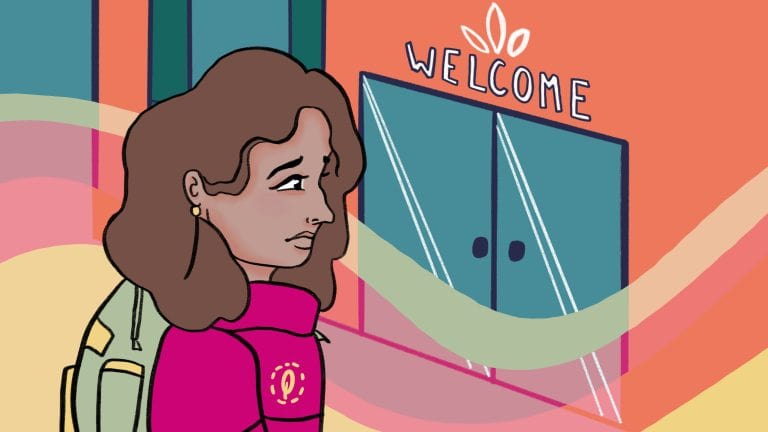
Waiting for CAMHS to see or help you can feel frustrating and upsetting. Hear about a young person’s experience of waiting for CAMHS support and her tips for managing.

Text NATTER for help
Anyone can text ‘NATTER’ to 85258 to seek
help, wherever they are in the UK. It’s a free, anonymous service and available 24/7.
More about NATTER