Jump to content on:
What does gratitude actually mean?
Dictionary definitions of gratitude typically mention appreciating things (including people) and showing that appreciation in some way.
Some people talk about gratitude as having two stages – first, recognising something (or someone) good, then knowing that someone (or something) else is responsible for that good thing.
Sometimes, like if you’re grateful for a kind action, it’s obvious that a person is responsible. Other things, like beautiful weather, aren’t necessarily thanks to a person, so different people might think of them as being thanks to nature, the world, or a god (if they believe in one).
Most of us find that feelings of gratitude can emerge ‘in the moment’, but when we talk about how gratitude is good for mental health, we’re talking about a more deliberate kind of gratitude – when we take the time to stop and recognise the good and appreciate whoever (or whatever) has led it to happen.
What are ‘glimmers’?
The idea of a ‘glimmer’ came from a social worker, Deb Dana, in 2018. Glimmers are small things that lead us to feel happy or calm. They help tell our bodies that we are safe, meaning we can rest, connect with others, and relax.
Some people think of glimmers as being the opposite of triggers, which tend to make us feel distressed or overwhelmed. In response to triggers, our bodies prepare us to fight or run away from a threat, but in response to glimmers, we can slow down, stay in the moment, and appreciate the world around us.
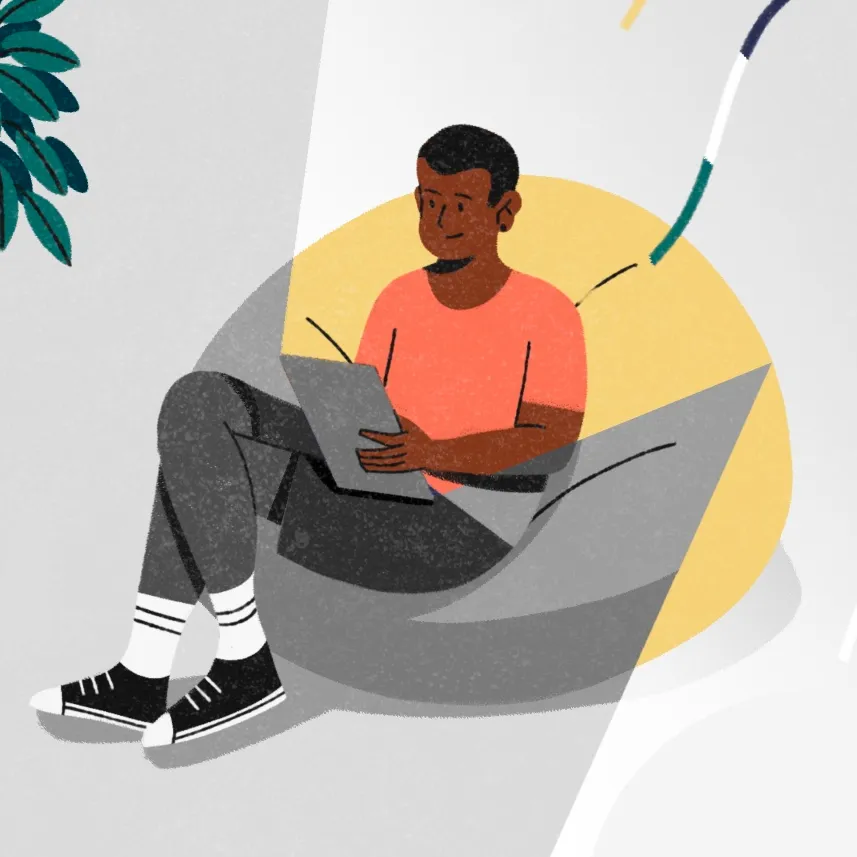
Glimmers aren’t usually big, exciting moments (like winning a competition or doing well in an important exam). Instead, they’re smaller moments like time with a pet, the feeling of sun on your face in spring, or your favourite song unexpectedly coming on in a shop.
This is where gratitude comes in – gratitude is good for mental health when it focuses on the small, everyday moments as well as big life successes and triumphs.
What's the evidence for gratitude linking to mental health?
Most of the research about how gratitude is good for mental health involves studies where people are asked to try a specific method that helps them notice gratitude, like writing down things they’re grateful for in a journal or writing a letter to someone they’re grateful towards.
Research into whether being grateful boosts mental health has been going on for almost 20 years, which means that we now have lots of evidence to look at and researchers can analyse all of the evidence that’s already been gathered.
In 2023, a group of researchers looked at the results from 25 studies about how gratitude is good for mental health. Across these studies, over 6,700 people took part. The researchers found that trying out deliberate ways to express being grateful had a significant effect on people’s psychological wellbeing.
Another group of researchers analysed the evidence from 64 studies and found that they showed that people who tried the different methods of being deliberately grateful had better mental health, were more satisfied with their lives, and had fewer symptoms of anxiety and depression. They also experienced other benefits, like more positive moods and emotions, and less worry.
Crucially, this second overview looked at studies where a range of different people took part – including people with mental health conditions. They found that gratitude had a smaller impact on people’s wellbeing than things like medication and talking therapies, but that it could still play a helpful part alongside them. Obviously, gratitude alone won’t help someone recover from a mental illness, but evidence suggests that it can be a useful thing to try alongside accessing professional support.
How to practise gratitude
There are lots of different ways to take time to notice what you’re grateful for, and you can try them and see what works for you.
Keep a gratitude journal
You could use a notebook, your phone notes, or an app with a journal feature. You can just write a few words, or get creative with doodles, stickers, and photos.
Make a gratitude box or jar
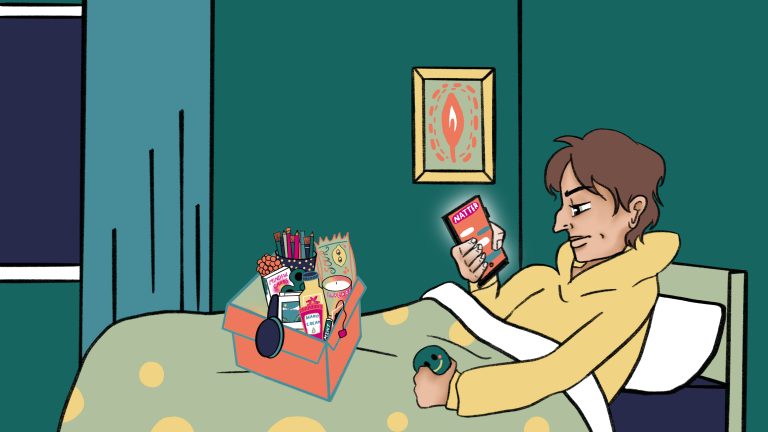
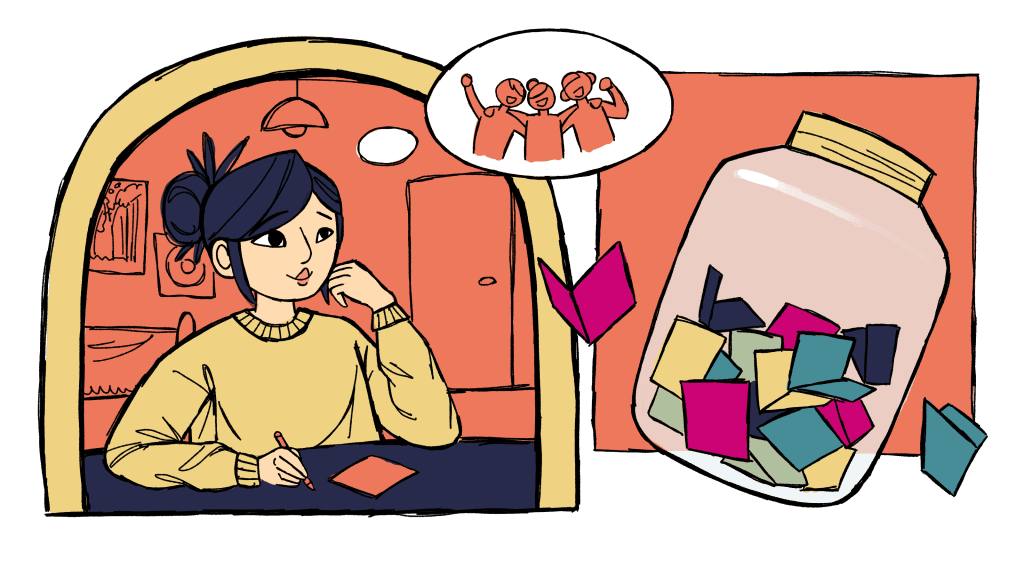
Write things you’re thankful for on scraps of paper, then store them in a box, bag, or jar. Over time, you’ll build a visual reminder of all of the good in your life.
Use social media
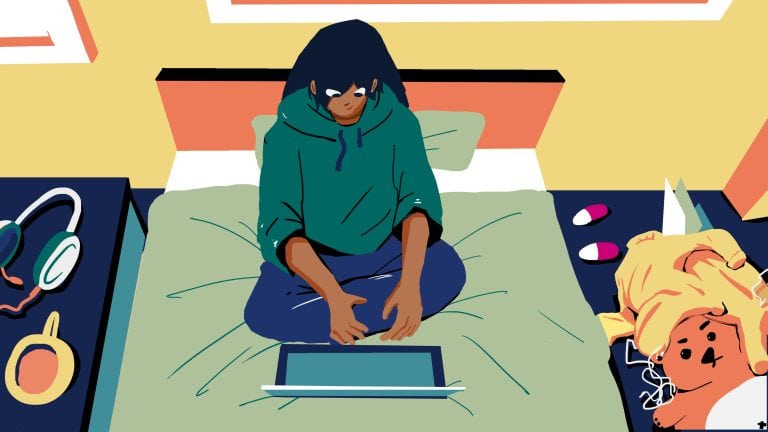
Social media can be complex, but it can be a fun way to share gratitude. Posting pictures with captions of gratitude can be fun and it can inspire others too. If you don’t want to share photos, you could use stock images or make graphics with text.
Share gratitude with others
There are lots of ways to tell someone you’re grateful for them, or something they’ve done. You could chat to them, write a message, letter, or email, or even make them something.
Is it more effective to express gratitude directly to someone?
In short, no – the evidence suggests it does not make a difference.
In one study that reviewed the existing evidence about gratitude and mental health, for example, the researchers looked at whether expressing gratitude directly to someone was more effective than doing it without the person being aware (for example, writing it down just for yourself).
They found that there didn’t appear to be any extra benefits to expressing gratitude directly to someone, which is good news if you don’t always feel comfortable telling someone else that you’re grateful – or if you’re grateful for something like a celebrity performance, for example, where you can’t easily get in touch to say thanks.
Questions to get you thinking about gratitude
If you’re new to the idea of gratitude, it might feel a bit unnatural at first. Prompts can be really helpful if you’re not sure where to begin:
- How has someone shown you kindness (no matter how small) this week?
- Who do you enjoy spending time with?
- What’s the best thing about the area you live in?
- What’s made you laugh recently?
- What was unexpectedly good about today?
- What sensory experiences are you grateful for? You could think about things you’ve seen, heard, felt, smelled and tasted.
- Like any skill, building gratitude takes time. With practice, it can become more natural, until noticing the good – and being thankful for it – can become a habit.
Find support
Find trusted services that can support you when things feel overwhelming.