Jump to content on:
Friends are often an important part of people’s lives, and they can make a big difference when someone’s struggling with their mental health.
Emergency?
If anyone is in immediate danger, call 999 now.
If you need urgent help for mental or physical health, call NHS 111 or get help from NHS 111 online.
Worried about a friend?
Find out what to do if you’re concerned about a friend’s wellbeing or mental health.

Why it’s important to make time for yourself
When you’re supporting someone who’s struggling, it’s normal to feel a mix of emotions. You might feel proud to be supporting them or relieved they’re talking about their wellbeing, and it can make us feel good to be needed.
But it can also be tiring if you’re giving someone lots of support. You might feel worried or anxious about making sure they’re OK – and sometimes you might feel frustrated if you feel like other people (especially adults) aren’t being helpful, or if you think that your friend isn’t helping themselves.
These feelings don’t always mean that anyone is doing anything wrong. But it’s really important that you make time to take care of yourself if you’re supporting someone else with their mental health.
Make time for yourself
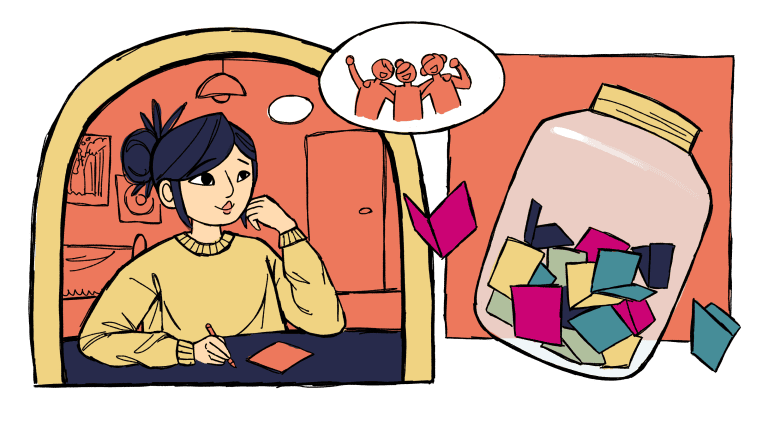
It can be difficult to take breaks when you’re supporting someone else, especially if they’re upset or if you’re worried about them.
But it’s really important to spend time taking care of yourself, and responding to your thoughts, feelings, and needs.
Ultimately, if you don’t look after yourself, you won’t be able to keep helping your friends because you’ll become exhausted, or even unwell. And by looking after yourself, you’re setting a good example and showing your friends that they can be kind to themselves too.
Self-care can be a complex topic, but when you’re supporting a friend, it means making sure that you:
Get enough sleep.
Eat enough to get the energy and nutrients you need.
Keep up with the things you need to do, like homework or coursework.
Spend time doing things that make you feel calm or happy, like hobbies.
Have your own places to talk about your thoughts and feelings.
Set boundaries.
Some people find the aeroplane analogy helpful. When you’re travelling on a plane, the safety advice is to always put on your own oxygen mask before helping someone else, because you cannot help anyone if you cannot breathe.
Spend time just being friends
When our friends are struggling, it’s easy to forget how we used to spend time. If you spend lots of time talking about mental health or what your friend is going through, it can put pressure on your friendship.
That’s why it can be helpful to plan ‘friend time’, where you don’t try to solve problems or talk about mental health, but just spend time doing things you enjoy together.
Of course, when people are unwell they might not be up for all of the things you used to do together. You might need to adapt to keep things low-key, or be flexible if they need to postpone plans to another day.
Be aware of what’s not your responsibility
It can be easy to feel responsible for someone you care about if you spend a lot of time supporting them when they’re struggling with their mental health, but this can also have a negative effect on your wellbeing.
You are not responsible for how someone else feels, how difficult their thoughts and feelings are, or anything they do as a result of their thoughts and feelings. It is never your job to ‘fix’ everything or make anyone else OK.
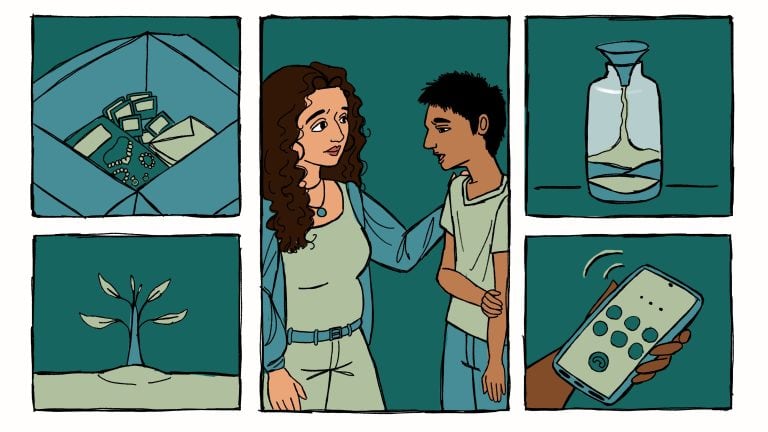
Encourage your friends to get more help
If a friend is struggling with their mental health, getting the right support is the key to things getting better.
For most young people, getting help starts by talking to a trusted adult like a parent or carer, teacher, youth worker, or GP.
You can support your friend to do this, for example, by helping them figure out who they’d like to talk to, practising what they want to say, and offering to go with them if they’d like you to.
Got questions about mental health support?
It’s normal to have questions and worries about what mental health support is available and how to access it. We’ve got information to help you understand what to expect.

You can also let them know about other ways to get help, like texting NATTER or speaking to another helpline.
NATTER
Provided by Mental Health Innovations
Get confidential support through text messaging. You can text about anything that’s on your mind. Your text will be answered by trained volunteers.
More about NATTER
Childline
Provided by NSPCC
You can talk to a Childline counsellor about whatever you’re going through. Childline is confidential and there are different ways to get in touch. You can contact Childline at any time, but their counsellors might not be able to talk to you for as long at night.
Set boundaries if you need to
Boundaries are limits that you set in relationships with other people as part of looking after yourself.
They often come up naturally in friendships – if you ask someone not to share photos of you on social media, or tell a friend you need to stop gaming so you can go to bed, you’re setting a boundary.
When you’re supporting a friend who’s struggling with their mental health, it’s really important that you feel able to set boundaries if you need to. For example, you might need to set boundaries around:
Telling a trusted adult if a friend is unsafe or if you feel like their problems are too much for you to handle.
When you’ll be offline or unavailable, so you can still do the things you enjoy (and get enough sleep).
Your friend not sharing unnecessary details (especially around behaviours like self-harm or eating problems), especially if you find it triggering or upsetting.
Wanting to spend time doing ‘friend stuff’ or talking about other topics as well as your friend’s mental health.
It can feel really challenging to set boundaries in friendships, especially if it’s not something you’re used to doing.
Setting boundaries doesn’t mean being unkind, and it’s often helpful to use statements that explain how you feel or what you need.
For example, you could say something like:
Find your own space to talk
When you’re supporting a friend who’s struggling with their mental health, it’s important that you also have space to talk about your thoughts and feelings (including how you’re coping with supporting your friend).
This can be trickier if you and the person who’s struggling share a lot of the same friends. It’s important to respect people’s privacy, but in some situations you might still be able to talk to other friends about how you’re feeling and ask them for advice or just a distraction.
Lots of people find it helpful to talk to a trusted adult, who can focus on how the situation is affecting you.
If your friend is safe and not at risk, you do not have to name them and can just focus on talking about how you’re coping with the situation.
Supporting someone who is struggling with their mental health can be challenging. This does not mean that they are doing anything wrong, and it is not their fault. But it is normal to need space to vent your feelings or talk through how you can support them while looking after your own wellbeing too.
Know the warning signs that it’s getting too much
There are a few ‘warning signs’ that supporting your friend might be getting too much, including if you:
Feel stressed, worried, or anxious about your friend.
Don’t get enough sleep because you’re supporting or worrying about your friend.
Don’t have time to do things you need to do, like homework or coursework, because you’re supporting or worrying about your friend.
Feel like you can’t do everyday things like spending time with others or going to clubs because you need to support your friend instead.
Can’t spend time with (or spend time talking to) other friends.
These warning signs usually mean that it’s time to tell a trusted adult. This will help your friend by making sure they get the help they need, while also protecting your wellbeing.
Find support
Find trusted services that can support you when things feel overwhelming.

Text NATTER for help
Anyone can text ‘NATTER’ to 85258 to seek
help, wherever they are in the UK. It’s a free, anonymous service and available 24/7.
More about NATTER