Jump to content on:
Why is sleep important?
Sleep is important because it can have a big effect on other areas of our lives.
Good sleep can positively impact your mood, concentration, and immune system. It can even reduce your risk of accidents, injuries, and serious medical conditions.
Sometimes, sleep tips can feel overwhelming and unrealistic, or like you need to make big changes to your life straight way. But making little changes, or changing things gradually over time, can make a big difference.
How much sleep do we need?
The Royal College of Psychiatrists recommends that teenagers usually need 9 to 10 hours of sleep, though every young person is different.
Royal College of Psychiatrists – Sleep problems
Most adults need around eight hours of sleep each night.
Royal College of Psychiatrists – Sleeping well
Reducing caffeine to improve sleep
Caffeine is a natural chemical compound that’s found in cola, coffee, tea, energy drinks, and cocoa (including chocolate).
Caffeine speeds up messages in your nervous system, which makes you feel more alert. It also blocks receptors in your brain, stopping them from taking in a sleep-promoting chemical called adenosine. All in all, it’s not exactly helpful when you’re trying to wind down.
Some people try to cut out caffeine altogether, to see if it makes a difference to how they feel and how they sleep.
If that feels like too big a step, you can start to reduce the amount of caffeine you have each day. Try to avoid caffeine for at least six hours before you go to bed.
Talk about what’s on your mind before you sleep
Have you ever been awake all night, worrying or thinking about something? It’s common for people to reflect at the end of the day – and with fewer distractions, worries and thoughts can seem ‘louder’.
The anxiety or stress that follows can affect how our bodies produce cortisol (a hormone that makes us more alert) and melatonin (a hormone that helps us sleep).
Some people find that making time and space to talk to someone about whatever’s on their mind during the day helps. It’s best not to do this too close to the time you go to bed.
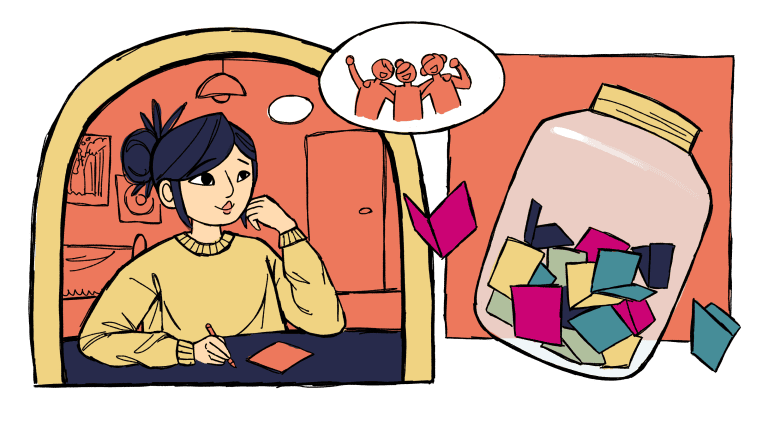
If that feels difficult, or a lot of thoughts and feelings are stopping you from falling asleep, could you try writing them down on a piece of paper and putting them on the other side of the room (or in a container) to deal with in the morning?
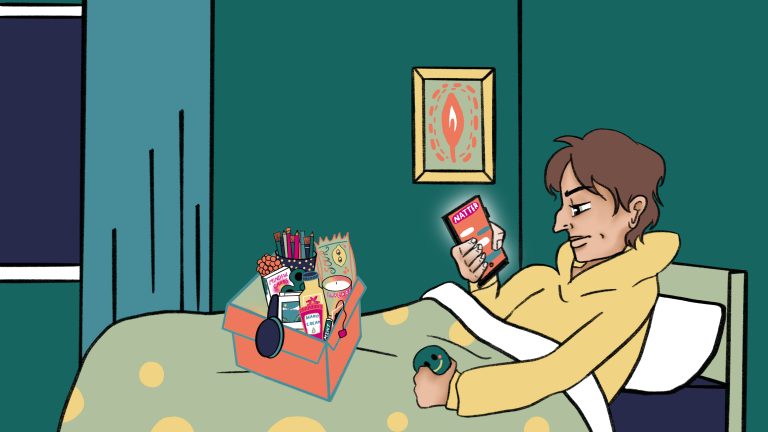
Text NATTER for help
Anyone can text ‘NATTER’ to 85258 to seek
help, wherever they are in the UK. It’s a free, anonymous service and available 24/7.
More about NATTER
Make a bedtime routine to improve sleep
We often hear bedtime routines talked about for toddlers and young children, but they can be helpful for young people and adults too. Doing the same things in the same order (and at roughly the same time) each night can help your brain and body understand that it’s time to sleep.
A routine can also be helpful because it means you can go to bed (and wake up) at the same time every day. It’s tempting to sleep in for a long time at the weekend and when you’re on holiday, but it can disrupt your body clock, especially if you tend to struggle with sleep.
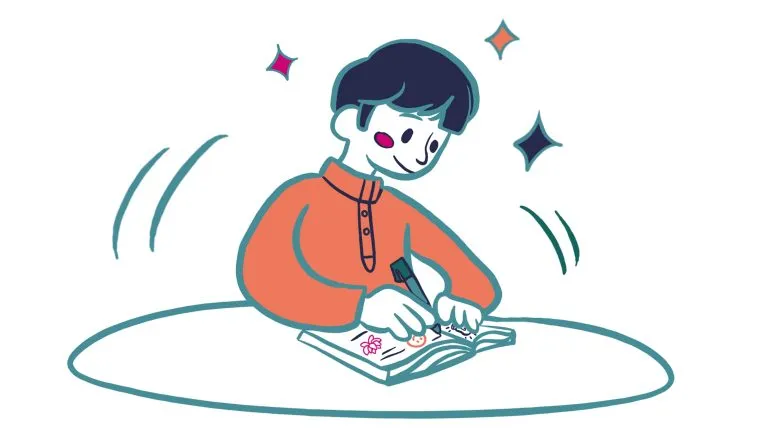
Some people make themselves a full-on bedtime routine with timings. If you want to try this, be curious about what works for you – you could add things like having a bath or shower, listening to music or a ‘sleep story’, or writing down things you’re grateful for.
If that feels overwhelming, you could try adding in one thing before bed to help you sleep. Once you feel confident doing it every day, add something else to your new mini-routine. You could also try gradually making the times you go to bed and wake up more consistent, even if it’s just moving your alarm half an hour earlier at the weekend at first.
Reduce the impact of screens on sleep
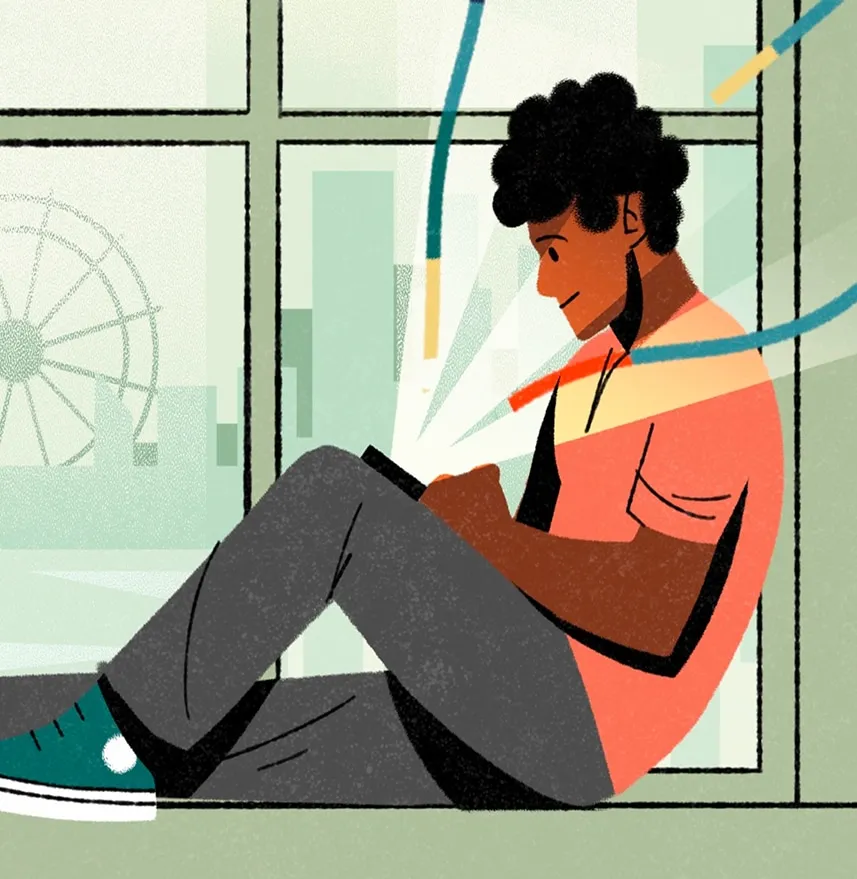
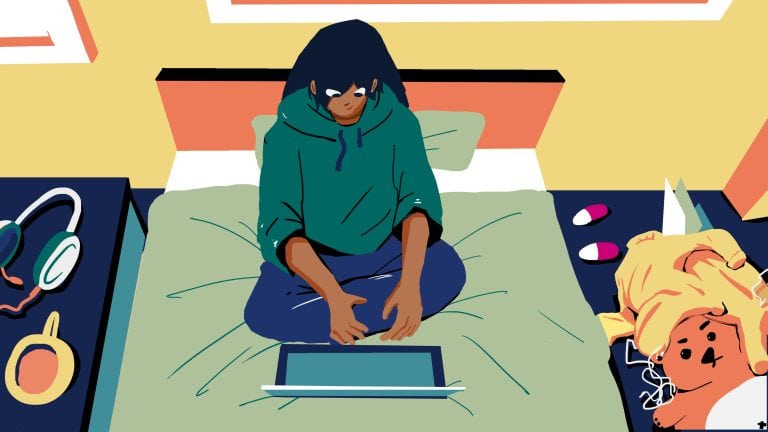
Lots of us use phones or tablets in bed, or on a bedside table overnight, but they’re not helpful when it comes to sleep.
Devices give out light (which tells our brains that it’s time to be awake) and show us content that makes our brains engage, rather than relax. It can also be difficult to put them down in the middle of a game, show, or conversation – especially if you worry that you might miss out.
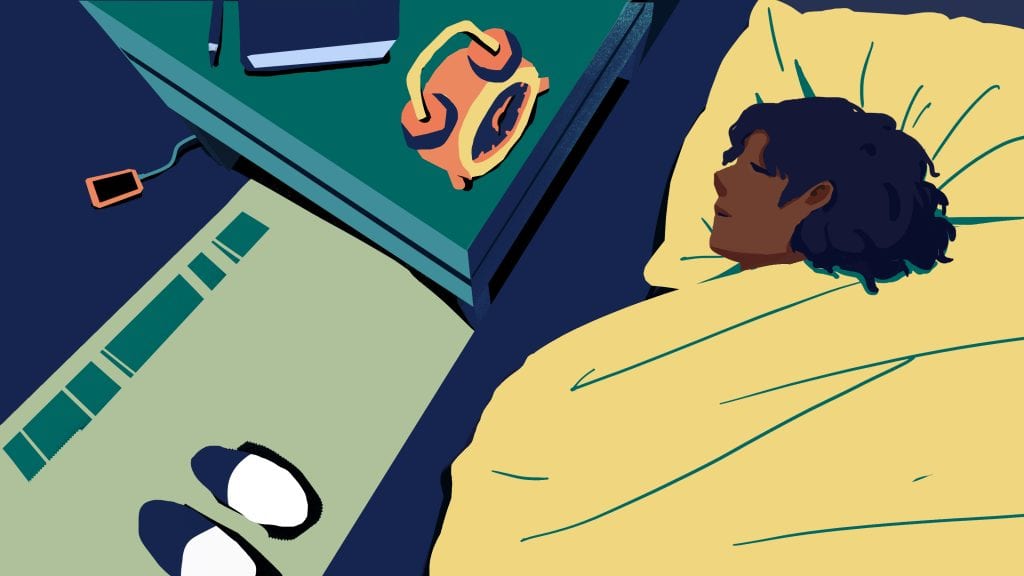
Some people stop using screens an hour before bed and put their phones in another room overnight, using an old-fashioned alarm clock instead.
If that feels like too big a step for you, you could start by spending 5 or 10 minutes away from screens before bed, and then build up that screen-free time.
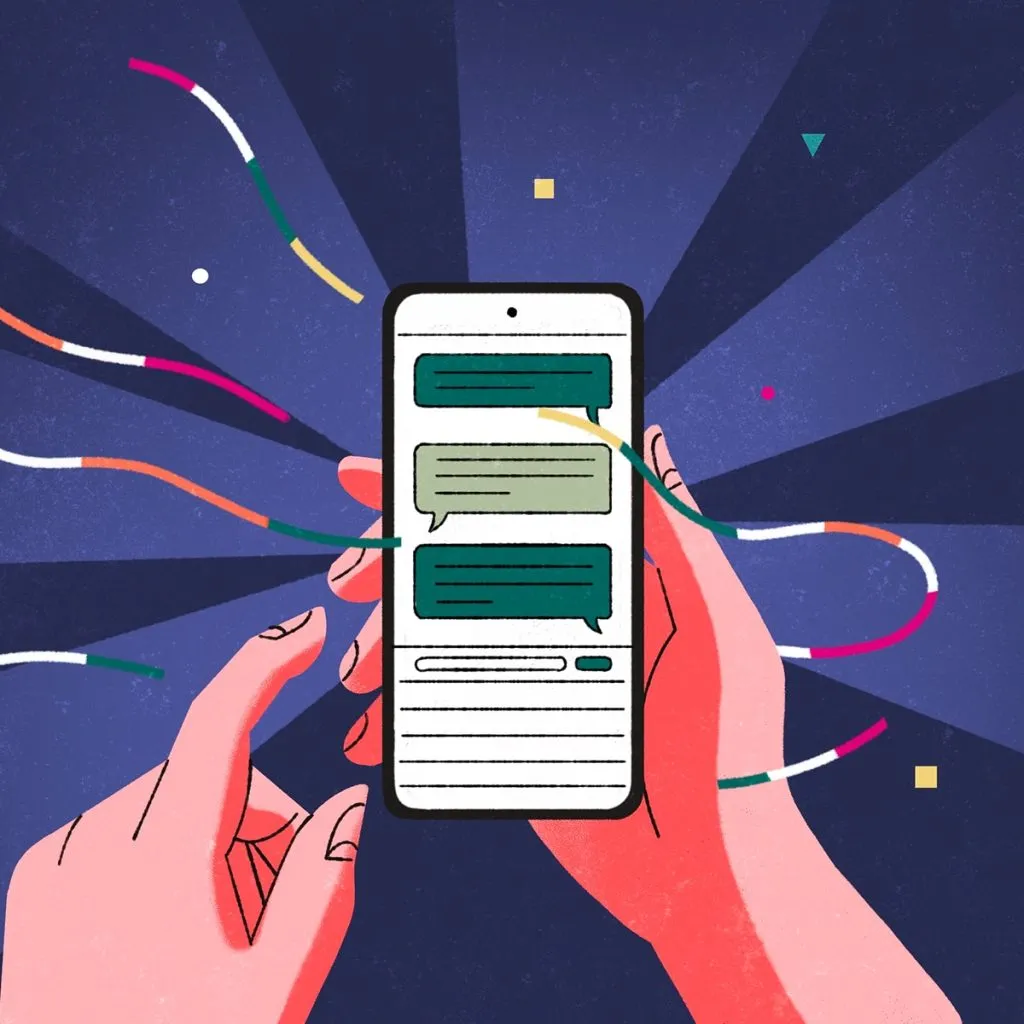
Lots of devices have options to reduce the blue light or adjust the screen so it’s easier on your eyes in the evening. Some even have ‘bedtime modes’ that you can set up to block certain apps and/or notifications.
If you spend time online, find out more about how to stay safe on social media and protect your mental health.
Getting more help if you’re struggling with sleep
If changing these things hasn’t helped your sleep problems, it’s been going on for months, or your sleep is affecting your daily life and making it hard for you to cope, it’s a good idea to ask for help.
Your GP can talk with you to try to figure out what’s causing your sleep problems. They might refer you to talking therapy, for example, so you have a space to talk about your thoughts and feelings around sleep.
Doctors don’t often prescribe medication to help with sleep because lots of sleeping pills have side effects, and people can become dependent on them, but medication is something you can talk about with your GP if you think it would be the best option for you.
Apps for mental health
Explore trusted apps that can help you feel calmer, manage symptoms, and find support when things feel overwhelming.