Jump to content on:
When we talk about self-care, we mean all of the everyday things you to do to look after yourself. It includes basics like brushing your teeth and getting enough sleep, as well as paying attention to what you need when you’re tired, tense, or overwhelmed, for example.
Why can people struggle with self-care?
We all know that self-care is important for wellbeing, but it isn’t always easy.
It can feel really lonely and frustrating if you’re struggling with day-to-day self-care, especially if you feel like other people don’t understand what’s going on for you.
People might struggle with self-care for all sorts of reasons, including low self-esteem, low mood, depression (or other mental health conditions) and neurodivergence like autism and ADHD.
How can autism affect people’s daily life, including self-care?
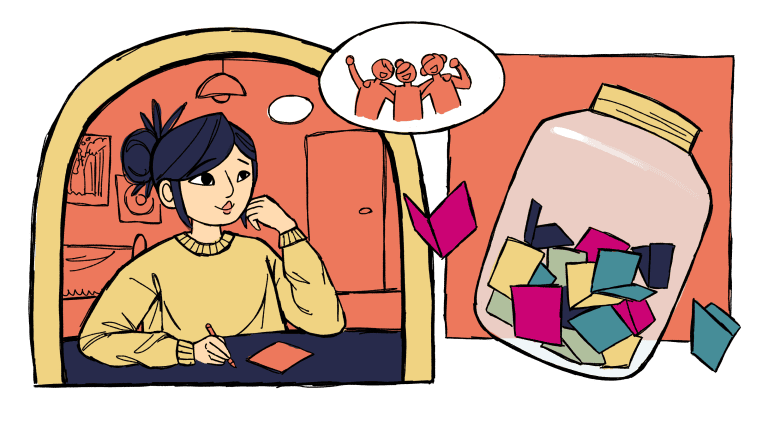
The words in this animation are taken directly from interviews from autistic young people. They talk about how being autistic affects them, including when it comes to elements of self-care, and what they (and the people around them) do to help.
Being understanding and kind to yourself
If self-care is difficult for you, you are not alone. You do not have to feel guilty or ashamed, and it does not mean that any symptoms of mental health conditions you’re experiencing are your fault.
With time, support, and figuring out what works for you, things can – and will – get easier.
In the meantime, it can help to be as kind to yourself as you can. This might mean trying to understand that struggling with self-care is not a choice or your fault, or celebrating your successes (even if they might not be a big deal for other people).
Some people find it helpful to speak to themselves like they’d speak to one of their friends – with understanding and compassion for the fact that you’re finding things hard right now, and gentle encouragement to take care of yourself as well as you can.
‘Some things that other people can do without thinking, like hygiene habits like brushing my teeth, are difficult for me. I want to do them, but it isn’t always easy. There’s often a really big struggle in my head. It’s not that I’m lazy – I have a condition, a disorder, that affects my life.’
Beth, who has ADHD
Asking for help with self-care
It can be difficult to talk about finding self-care difficult, especially if you’re worried about other people’s reactions and judgement.
If you’re struggling, you don’t always have to tell everyone all of the details – but think about whether there are people you feel comfortable asking to support you.
It’s up to you who you talk to. It might be a parent or carer or someone supportive at school, college, university, or work. Some people might prefer to use an anonymous helpline, or to speak to someone anonymously to ‘practise’ having the conversation before they talk to someone in their life.
Find support
Find trusted services that can support you when things feel overwhelming.

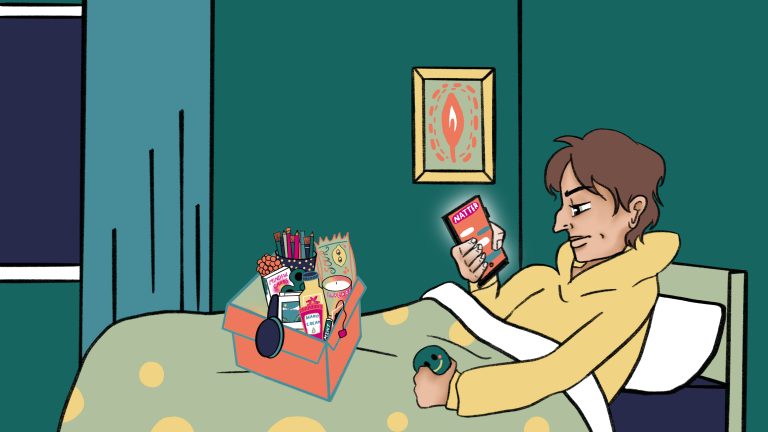
Text NATTER for help
Anyone can text ‘NATTER’ to 85258 to seek
help, wherever they are in the UK. It’s a free, anonymous service and available 24/7.
More about NATTER

Adjust your expectations about what self-care means
If you’re finding self-care difficult, being surrounded by overwhelming ideas of what self-care is can make it harder to engage with self-care at all. It can also make you feel worse about yourself and how you’re coping. This can include what friends might say to you, as well as content about self-care on social media.
In these situations, try to adjust your expectations and start with the basics. A long, mindful walk in nature might not be realistic – but maybe you could work on getting out of bed, opening the curtains, and opening a window to get some fresh air. Similarly, a luxurious bath or ‘everything shower’ might feel impossible, but brushing your teeth, or putting on a clean pair of pyjamas, is a great first step.
When self-care feels difficult, it can be easy to get ‘stuck’ in a place where you can’t try anything, because everything feels too much (and, sometimes, because you’re worried you’ll fail). So lower the stakes and give yourself opportunities to try small, manageable self-care actions.
Break things down into smaller steps and set yourself up to succeed
When self-care feels difficult, everyday tasks can feel overwhelming. Some people find it helpful to break tasks down into their individual components – no matter how small.
Brushing your teeth, for example, becomes: get up from my bed or sofa, go to the bathroom, wet my toothbrush… and so on. Some people find that breaking tasks down like this means they feel less overwhelmed – you might need to try breaking tasks down in different ways, to see what works for you.
Think about ways you can make these sorts of self-care tasks more accessible for yourself, too. Keeping brushing your teeth as an example, would it help to keep a toothbrush and toothpaste by every sink, so you have visual cues to remind you and you can do it wherever you are in your home? Would it help to allow yourself to sit down – on the toilet lid or even the floor? Could you commit to telling a friend once you’ve brushed your teeth, or listen to a specific piece of music or short video to motivate you and help you keep track of time?
Prioritise one thing at a time
If you’ve been struggling with self-care for a while, it might be that things have built up – if your room is a mess, you’re hungry, in need of a shower, and overwhelmed by unread messages, it’s understandable that it might feel easier to ignore everything because it’s just too much.
Sometimes it’s about taking a first step towards things getting better. It often doesn’t matter too much where you start – it might be grabbing a snack, washing your face, or taking dirty dishes to the kitchen. The important thing is that even one small action can help build momentum to help you do more – and even if it doesn’t on this occasion, you’ll be better off having done the small act of self-care anyway.
Some people find it helpful to write down everything they could do, to help them choose where to start, while others might ask a friend to choose for them or even use an online tool like a spinning wheel to pick.
Use digital tools to help
There are lots of different apps to help with self-care, including if you’re struggling because of a mental health condition such as depression.
Apps for mental health
Explore trusted apps that can help you feel calmer, manage symptoms, and find support when things feel overwhelming.