Jump to content on:
This page contains practical suggestions for coping when you’re really struggling.
Emergency?
If anyone is in immediate danger, call 999 now.
If you need urgent help for mental or physical health, call NHS 111 or get help from NHS 111 online.
It can feel impossible to think too far into the future when you’re really struggling.
This page has ideas to help you cope for the next 5, 10, or 15 minutes.
None of the suggestions on this page are designed to be long-term fixes. They’re about helping you cope when things are at their most difficult.
Later, when things feel calmer, you can think more about the support you need and make a plan for moving forward.
‘This moment is really hard, but it won’t always feel this way. You’ve made it through tough times before, and support is here for you.’
Davina – CAMHS Youth Ambassador
You do not have to cope alone
When you’re struggling to cope, it’s a good idea to tell a trusted adult like a parent or carer. If it’s difficult to speak out loud, you could send them a message or write a note.
You can also tell them what would be helpful – do you want to talk about what’s going on right now, for example, or would you prefer them to do something calming and distracting with you instead?
If talking to someone you know isn’t an option, there are people waiting to support young people like you through helplines. You do not have to speak on the phone to get help – there are options that involve texting, live chatting on a website, and emailing.
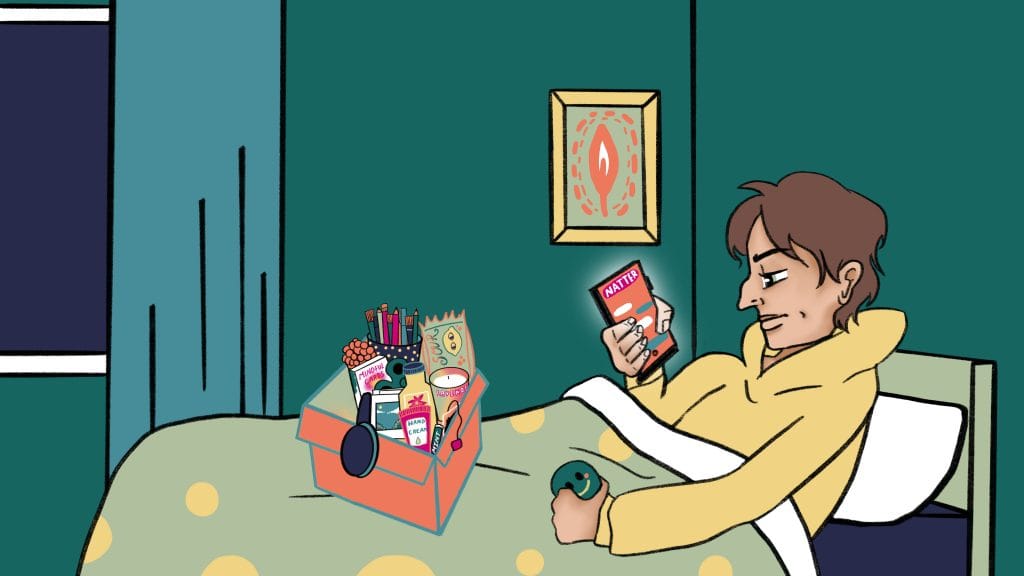
NATTER
Provided by Mental Health Innovations
Get confidential support through text messaging. You can text about anything that’s on your mind. Your text will be answered by trained volunteers.
More about NATTER
Childline
Provided by NSPCC
You can talk to a Childline counsellor about whatever you’re going through. Childline is confidential and there are different ways to get in touch. You can contact Childline at any time, but their counsellors might not be able to talk to you for as long at night.
Ground yourself
Breathing and grounding are two skills you can use when you’re feeling overwhelmed. They can help you reach a calmer place so you can make decisions about what to do next.
Breathing and grounding exercises
Find simple breathing and grounding techniques to help you feel calmer when things feel overwhelming.

Try TIPP
TIPP stands for temperature, intense exercise, paced breathing, and progressive muscle relaxation. It’s a series of four actions you can try to help you cope when things in your head feel overwhelming.
Temperature
The first step is to change the temperature. Things like splashing cold water on your face, holding an ice cube, or going outside in autumn or winter can help us to quickly calm down and give our brains something to focus on.
Intense exercise
This can be anything that raises your heart rate and helps you get rid of some energy, from basic star jumps or dancing to a song to going for a walk outside. It’s important that you do this safely – you might not be able to go for a walk on your own at night, for example.
Paced breathing
This means getting your breathing slow and steady. You can try just counting your breaths or use specific breathing exercises. This helps our bodies understand that we are safe, so we feel calmer.
Progressive muscle relaxation
Progressive muscle relaxation means tensing one group of muscles at a time, holding the tension for about five seconds, then relaxing. Start at your head and work down – or at your feet and work up. This leaves our body feeling more relaxed and also helps us to be aware of our bodies and grounded in the moment.
TIPP comes from a type of therapy called dialectical behavioural therapy (DBT), but you don’t need to be doing DBT to find TIPP helpful.
‘Strong feelings can feel like they take over, but they don’t last forever. Help is available, and things can get better from here.’
Davina – CAMHS Youth Ambassador
Distractions
Sometimes distraction can be a healthy way to get a bit of a break from our thoughts and feelings. It can also be a helpful way of coping while we wait, for example, for support to arrive or for an appointment.
Distraction is individual – everyone finds different things helpful, so you might have to try a few things to see what works for you.
You could try:
Apps you might find helpful
There are lots of apps that people find helpful when they are in crisis or struggling.

Stay Alive
The Stay Alive app brings together resources to support people who are having thoughts of suicide.

Rootd
The Rootd app is designed to help people who experience panic attacks and anxiety.

Calm Harm
The Calm Harm app suggests activities to help people cope with the idea to self-harm.
Planning for the future
If you know you struggle with overwhelming thoughts, feelings, or urges, it can help to make a coping plan in advance, to make it easier to manage when things are challenging.
These plans usually have sections where you can note down the ‘warning signs’ that you’re starting to struggle, people and helplines you can contact, and things you can do to distract or ground yourself.
Self-soothe box
Discover how to create a self-soothe box full of items that can help you feel calmer if you’re struggling.

Text NATTER for help
Anyone can text ‘NATTER’ to 85258 to seek
help, wherever they are in the UK. It’s a free, anonymous service and available 24/7.
More about NATTER

Find support
Find trusted services that can support you when things feel overwhelming.