Jump to content on:
Most of us mark special occasions throughout the year. For some people, they’re an important part of their faith or religion, while other people celebrate things in a secular (not-religious) way.
These occasions can look different for everyone depending on the occasion, their personal beliefs, their family and community traditions, and where they live. Some special occasions are exciting and fun, while others are more serious, for example, if they’re focused on remembrance or reflection.
Whatever the occasion, it can be really challenging if you’re neurodivergent, if you’re struggling with your mental health, if you have an eating disorder, or if things aren’t good at home.
You might feel worried or stressed about how to cope, or isolated if it seems like you’re the only one struggling at a time of year that’s supposed to be about celebrating or reflecting.
If you’re worried about a special occasion or celebration, you are not alone and there are things you can do to help you cope.
Coping with pressure to be happy or celebrate during special occasions
Emergency?
If anyone is in immediate danger, call 999 now.
If you need urgent help for mental or physical health, call NHS 111 or get help from NHS 111 online.
If you’re celebrating a special occasion, there can be a lot of pressure to be happy and have a great time.
This isn’t always realistic for a number of reasons – special occasions don’t stop challenging experiences (like money worries or exam stress) and they don’t make mental health conditions go away either.
Special occasions can also bring their own stresses, if lots of people are gathering together or trying to prepare a ‘perfect’ meal or give a ‘perfect’ gift.
It can also be overwhelming if specific special occasions are everywhere when you don’t celebrate them.
Know your feelings are valid
You’re not alone if you feel lonely, angry, sad, or disappointed during a special occasion. It can be really isolating to struggle at a time when it seems like everyone else is thriving – but often, lots of people are also struggling without telling anyone.
Your feelings are valid, including if they don’t ‘match’ the celebratory mood. We know that special occasions don’t suddenly fix everything, and it’s OK if you’re struggling or if you don’t feel like celebrating this year.
Try to set realistic expectations
Everyone’s lives are different, so be realistic about what a ‘good’ day will look like for you, this year.
For some people, this might mean reducing the pressure of certain parts of the occasion (like letting themselves eat a simple meal, rather than traditional food) or replacing expensive traditions with simpler, cheaper ways to spend time with loved ones.
Others might want to choose one or two things they’re hoping for, so they can focus on what matters most to them.
Set limits around social media
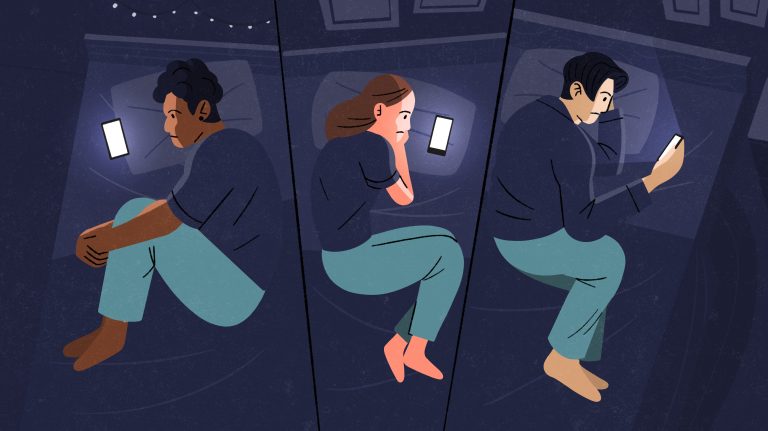
Some people find social media a helpful place to connect with others, but special occasions can bring a lot of pressure with other people sharing how they celebrate.
Watching other people enjoying time with loved ones, making memories, or sharing gift hauls can add to the pressure we feel.
Try to notice if you start comparing the celebration that people are portraying with the real life you’re experiencing, set limits on how long you spend scrolling, and read more about social media pressure.
Remind yourself that there will be future special occasions
It can be disappointing if you can’t enjoy celebrations in the way you’d like to because of your mental health or other things going on in your life.
Some people find it helpful to remember that a specific occasion won’t be their only opportunity to celebrate.
They might feel this ‘allows’ them to give themselves permission to focus on enjoying what they can today, knowing there’ll be more opportunities to feel happy and celebrate things again in the future.
Use your coping skills
You probably know what helps you most when you’re stressed or overwhelmed. Try to plan in advance so it’s easier to access these helpful ways of coping on special occasions.
If there are tactics that work for you, you could take them with you if you travel away from home. For example, some people prepare some ‘helpful statements’ they can look at if things feel difficult. You could include things like ‘It’s OK if this occasion isn’t perfect’ or ‘I don’t have to compare my day to anyone else’s’.
Know where to get support
If you think you might need some extra support during the special occasion, it can be a good idea to find out about any changes to services’ opening hours before the day.
At Christmas, for example, some services might have shorter opening hours – but some find extra volunteers so they can open for longer and help more people.
Many services are available all day every day, so if you are struggling with your mental health you can always get help.
Text NATTER for help
Anyone can text ‘NATTER’ to 85258 to seek
help, wherever they are in the UK. It’s a free, anonymous service and available 24/7.
More about NATTER

Coping with special occasions and grief
Special occasions can be really challenging if someone you care about has died. It can be really strange for the occasion to happen without them, especially if practical things about how you usually spend the day (like whose house you go to, or who makes food) change too.
It’s normal to feel a range of emotions when someone dies, and during special occasions without them. You might feel sad, confused, angry, disappointed, lonely, or scared, for example.
Some people might also feel relieved if things are easier or safer without the person who’s died.
Talk about how you’re feeling
It’s OK to have a lot of feelings about marking a special occasion without someone who has died. Lots of people find it helpful to talk it through with a trusted adult before the occasion – and you do not have to hide how you feel on the day either.
There are also lots of helplines you can call if you want to talk about grief and coping with special occasions after someone has died. You can call them before the occasion to talk about how you’re feeling and make a plan.
Whether they’re open on the day itself will depend on the organisation and the occasion you’re marking.
Find ways to remember them
There are lots of different ways to remember someone on special occasions. You could talk to other people you’re spending the day with and decide together what you’d like to try.
Some people include their loved one in decorations, write letters or cards to them, include them in prayers, or light a candle for them, for example.
Think about new traditions or memories
Some people find it helpful to make new memories or traditions after someone has died. This does not mean forgetting or ‘moving on’ from the person who has died, and you can keep old traditions too.
Make a plan for the day
It’s OK to ask questions about the things that might be different after someone has died. You might want to know about practical things, like who’ll be responsible for meals if the person who’s died used to do the cooking, or whether you’ll still do all of your ‘usual’ traditions.
Or you might have questions about how you’ll remember the person who’s died, like if you’ll visit a grave or another special place around the special occasion, or whether you can plan a time or activity to remember them together.
Coping with special occasions when things at home are difficult
Emergency?
If anyone is in immediate danger, call 999 now.
If you need urgent help for mental or physical health, call NHS 111 or get help from NHS 111 online.
There are lots of reasons that people might find life at home challenging, and sometimes special occasions can make things even more difficult.
The pressure of special occasions can make arguments worse, for example, or it can mean that people who don’t get on end up spending time together because they feel like they should.
It can also be an especially difficult time for young people whose relatives use alcohol or drugs. And some people might have to hide who they are to be accepted or safe at home (for example, if they’re LGBTQ+).
Some young people are not able to spend special occasions in a place they consider to be home, for example, if they’re in care, if they’re homeless, or if they have to stay in hospital during the special occasion.
Remind yourself special occasions are temporary
Some people find it helpful to remind themselves that special occasions don’t last forever, especially if they don’t enjoy them, if they struggle when they can’t access their usual support, or if they’re an upsetting reminder of difficult things happening in their lives.
Use your coping skills
You probably know what helps you most when you’re stressed or overwhelmed, so try to plan in advance so it’s easier to access these helpful ways of coping on special occasions. You might also plan how you’ll cope with specific situations that you think are likely to happen, for example, if adults start arguing.
If there are helpful distractions you can use, for example, you could take them with you if you travel away from home. Some people prepare some ‘helpful statements’ they can look at if things feel difficult.
Set limits around social media
Some people find social media a helpful place to connect with others, but special occasions can bring a lot of pressure with other people sharing how they celebrate. Watching other people enjoying time with loved ones, making memories, or sharing gift hauls can add to the pressure we feel around special occasions.
Try to notice if you start comparing the celebration that people are portraying with the real life you’re experience, set limits on how long you spend scrolling, and read more about social media pressure.
Keep any traditions, if you can
If there are certain parts of an occasion that are important to you, see if you can find a way to include them, even if it’s different. If you’re in care or in hospital, for example, you might still be able to do things like decorating a space or listening to music or readings from a holy book.
Know where to get support
If you think you might need some extra support during the special occasion, it can be a good idea to find out about any changes to services’ opening hours before the day. At Christmas, for example, some services might have shorter opening hours – but some find extra volunteers so they can open for longer and help more people.
Many services are available all day every day, so if you don’t feel safe at home or if you are struggling with your mental health, you can always get help.
Childline
Provided by NSPCC
You can talk to a Childline counsellor about whatever you’re going through. Childline is confidential and there are different ways to get in touch. You can contact Childline at any time, but their counsellors might not be able to talk to you for as long at night.
NATTER
Provided by Mental Health Innovations
Get confidential support through text messaging. You can text about anything that’s on your mind. Your text will be answered by trained volunteers.
More about NATTER
NHS 111
Provided by NHS
Enter your symptoms into NHS 111 online or call NHS 111 to find out what to do to get the right support.
Coping with changes to routine on special occasions
Lots of special occasions have a massive impact on our day-to-day lives – sometimes, this can happen whether we celebrate them or not. In the UK, for example, schools and universities have a break at Christmas, shops tend to close for a day or two, and decorations, events, and adverts are everywhere – even the programmes on TV are different!
Neurodivergence and OCD
It’s important to acknowledge that while lots of people find changes to routine unsettling, some neurodivergent people (especially autistic people) or people with mental health conditions such as OCD can find changes to routine especially distressing.
Here are some top tips for managing special occasions if you struggle with changes to your routine.
Know it’s ok to do what works for you
Even within a group of people who mark the same occasion, every person and family might celebrate differently. If you find change overwhelming, some things might look different for you, and that’s OK.
For example, you might limit any decorations to one or two rooms – or keep a space (like your bedroom) exactly the same without any decorations at all. And you might prefer to eat your ‘usual’ food rather than (or alongside) any traditional meals or snacks. If you’re not a fan of surprises, you might prefer choosing any presents in advance, or just receiving them without wrapping paper.
At the same time, you can find your own meaningful ways of marking occasions with your loved ones or come up with your own traditions. What this looks like will be different for everyone depending on the occasion and their likes and dislikes.
Keep elements of your routine
It might not always be possible to keep everything the same, especially if things like school, university, or work shifts change around a special occasion.
But it’s often possible (and realistic) to keep some important aspects of your normal routine the same. It could be as simple as getting up at the same time, wearing your usual comfortable clothes, eating your usual breakfast, or following your usual bedtime routine – but having some predictable things in your day can make it easier to manage when other things are out of the ordinary.
Find ways to feel calmer
If you know what helps you to feel calm and grounded, think about how you can bring aspects of these things to any special occasions or celebrations.
For example, do you need a quiet space at busy events or family gatherings so you can take a break if you need it? You might want to want to take ear defenders, fidget toys, or cuddly toys with you if you’re visiting people, if you find them helpful.
If there are parts of the festive season that you’re not able to adapt as easily, for example, events at school, it might be useful to make a specific plan for how you’ll manage.
Talk about what’s going on
Even if you keep some elements of your routine, it’s likely that special occasions will mean some things will be different and special.
Lots of people find that they feel less anxious (and change is a bit less challenging) if they know what to expect and have a rough plan.
It isn’t always possible to plan your day exactly because some things (like the weather, or traffic) are out of people’s control – but you might be able to decide some things in advance.
It could be as simple as planning decorations, outfits, food, and clothes, as well as what time you’ll go out to any services or events – having a rough plan for the day (and knowing who’s also likely to be there) can also be helpful. Some people find it useful to have a visual reminder of their plan (like a list or a schedule) that they can look at throughout the day.
Tell people what you need
If you’ll be marking the occasion with supportive friends and family, chat to them in advance about the best way for them to support you.
They might also be able to advocate on your behalf by doing things like asking people to make their houses more sensory-friendly (for example, switching off flashing lights) or setting boundaries about physical contact, how long you’ll stay at an event, or bringing your own food and drink.
You could also agree a signal that you can use to communicate that you need some extra support or could do with a break or a chat. This could be as simple as discreetly sending a text with a certain emoji in, for example.
Remember it doesn’t have to be perfect
There can be a lot of pressure on special occasions for things to go ‘perfectly’ – for everyone to have a meaningful experience or enjoy themselves, and for things to go exactly to plan.
In reality, things sometimes go wrong. This can be really disappointing and frustrating, but what’s most important is that people work together to help everyone feel OK and get the day back on track.
It’s OK if you feel overwhelmed, if parts of the day don’t go as planned, or if you need to take some time out. With the right support, there can still be positives to the day and you can cope.
Coping when special occasions involve food and you have an eating problem
Lots of special occasions involve food because sharing food can be a really powerful way of expressing your identity, celebrating, and showing you care for people.
If you have an eating problem or eating disorder, however, you might be worried or stressed about upcoming occasions. For some people, being able to take part in special occasions without thinking about food all the time can be a really good motivator for recovery, but if you’re struggling, there are things you can try to help.
‘You’re not at a disadvantage if you choose not to fast for your wellbeing.’Read about fasting during Ramadan

Find other ways to take part
If food can feel overwhelming, it might help to find other ways of marking an occasion that are meaningful for you. Depending on the occasion, you could get involved with decorations, prayers, music, or spending time with loved ones.
This isn’t about having an alternative to eating and taking part in meals – but remembering all of the other ways of marking the occasion can take some of the pressure away from food being the most important part (or sole focus) of the day.
Give yourself a break
If there are parts of the day you might find challenging, it can be helpful to think of some ways you could relax away from the hustle and bustle of the main event if you need to.
You could head outside for some fresh air, watch TV or read a favourite book, or even volunteer to do the washing up! Some people find it helpful to have one or two people they can ask to do these things with them, so they’re not alone.
Use your coping skills
You probably know what helps you most when you’re stressed or overwhelmed, so try to plan in advance so it’s easier to access these helpful ways of coping on special occasions.
If you’re not going to be at home, for example, you could pack a bag with some sensory items or things that are calming and distracting. If you don’t already have one, you could build a self-soothe box.
Some people prepare some ‘helpful statements’ they can look at if things feel difficult, for example, sentences that remind them of why they want to recover or hopeful quotes they find encouraging.
Ask for support
If you’ll be marking the occasion with supportive friends and family, chat to them in advance about the best way for them to support you. They could volunteer to shut down unhelpful conversations if anyone starts talking about calories or dieting, for example, or just move the conversation on.
Sometimes, it might be helpful for them to remind everyone in advance that it isn’t OK to ask personal questions (or say anything at all) about anyone’s body or appetite.
You could also agree a signal that you can use to communicate that you need some extra support or could do with a break or a chat. This could be as simple as discreetly sending a text with a certain emoji in, for example.
Make a rough plan
Lots of people with eating problems find that changes to their routine can be unsettling, and there are lots of tips on this page about coping to changes to routine in general – you can skip back up to read them.
If there are likely to be changes to your usual eating routines, you might also want to talk to the people you’ll be spending the occasion with. Agreeing things in advance (like the times of meals, what you’ll be eating, and who’ll serve the food) can make the day itself feel less anxiety-inducing. You could also use name cards as part of your table decorations to make sure you’re sitting next to someone supportive.
You might also want to plan what you’ll do immediately after meals – would it be helpful to get stuck into a joint activity (like a game), or would you prefer to have some time to chill out with one or two trusted people?
Find support
Find trusted services that can support you when things feel overwhelming.