Jump to content on:
Is social media always bad for your mental health?
You might have seen headlines about how social media is bad for mental health – but it isn’t fair to suggest that it’s the only cause of things like mental health problems or bullying. For a lot of young people and adults, it isn’t realistic to avoid social media altogether.
People spend time online for a lot of different reasons, including because it means they can:
- keep in touch with people when they’re not in the same place
- connect with people with similar interests (like music or TV shows), even if they live far away
- share and find mood-boosting content like uplifting art and funny videos
- get information, from practical tips for hobbies and hairstyles to information about mental health and things happening in the world
But if you spend time on social media, it’s helpful to think about how it affects your wellbeing, and what you can do to look after your mental health and stay safe.
Can’t put your phone down? You’re not alone
We use our phones for almost everything – chatting to friends, finding information, relaxing, distracting ourselves, doing homework or coursework, and even finding work. As a result, it isn’t surprising that 51% of young social media users think they spend too much time on social media.
The companies that own social media platforms also want you to keep scrolling and interacting with content. The more time you spend on the app, the more ads you see, and the more money the app company makes! Because of this, they design apps to keep you engaged for as long as possible.
Algorithms keep you stuck
Social media apps use algorithms (sets of rules) to ‘decide’ the content on your feed and the ads you see. They’re all based around showing you whatever is needed to keep you focused on scrolling, watching, and reading comments.
Endless scrolling
On social media, we don’t just see updates from people we know in real life – we see content created by celebrities, influencers, and everyday people we don’t know. There’s an almost unlimited amount of content out there, and apps constantly showing you more. You’ll never reach the end of your feed, so there’s no reminder to take a break.
Notifications draw you in
Apps send you notifications for all sorts of things, from a message to a new post on a topic you’ve engaged with before, encouraging you to open the app and start scrolling.
Why social media can make you feel worse
If you’ve seen something upsetting online, the NSPCC website has information on how you can report it or get support:
NSPCC - online reporting
There are lots of ways in which social media content can make us feel sad or less confident. It can also affect people’s self-esteem.
Unrealistic expectations
People usually only post the best bits of their lives on social media. For example, if someone posts a picture with friends, you don’t know how strong those friendships are, or how they really feel. People can also use flattering lighting or angles, take lots of photos to get a perfect shot, and use filters and AI.
Comparing ourselves to others
It’s normal to compare yourself to other people sometimes, but it isn’t helpful to do it all the time, especially if you’re comparing yourself to an unrealistic online image or video. Social media can encourage us to keep comparing, as we see more and more carefully chosen snapshots from other people’s lives.
False information and fake news
Some people post fake news or exaggerate the truth to get more engagement. But people can share misinformation by accident too – for example, by sharing what they’ve heard others saying without checking whether it’s true. And when people share their own experiences, they’re talking about what’s happened to them – not how things are for everyone.
Social media and sleep
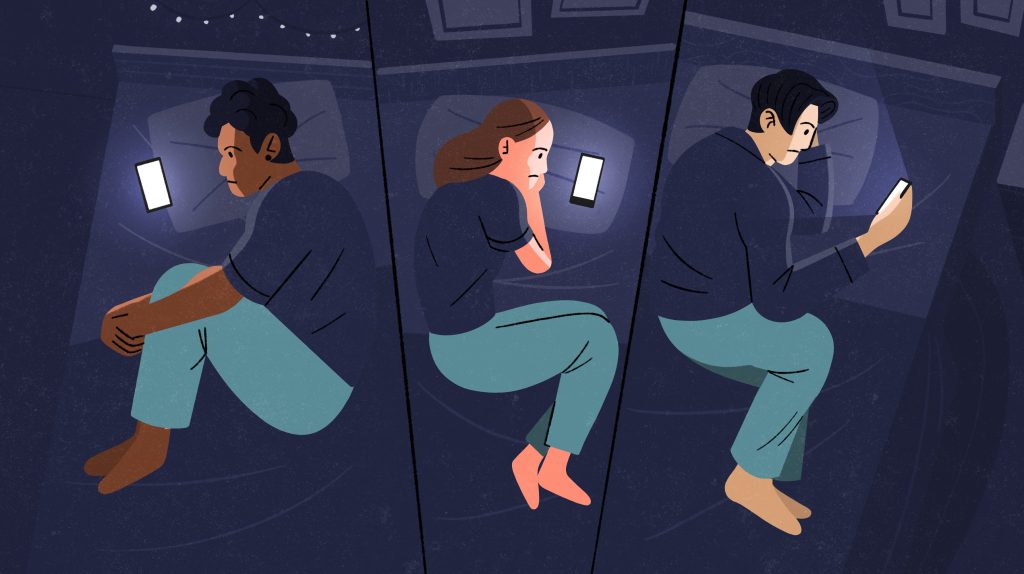
Devices give out light (which tells our brains that it’s time to be awake) and show us content that makes our brains engage rather than relax. It can also be difficult to put your phone down in the middle of a game, show, or conversation – especially if you worry that you might miss out.
Online bullying or harassment
While social media and websites that allow you to comment can help people to connect, they can also be used to bully and harass people. When this happens online, it can feel especially overwhelming and difficult to escape.
What are the signs of online bullying and harassment?
Online bullying and harassment can include when someone is:
- sending nasty messages
- making mean comments on posts and pictures
- making, liking, or commenting on nasty posts and pictures
- starting group chats about you
- revealing personal information about you without your permission
- targeting you over and over again in games
How to use social media in a healthier way
One of the most powerful things you can do when it comes to social media and mental health is to check in with yourself and be really honest about how social media affects your life.
If you can spot anything that’s making you feel worse – for example, that you’re scrolling when you should be sleeping, or that a specific type of content makes you feel bad about yourself – you can adapt how you use social media to make it healthier for you.
Here are some practical tips if you decide to use social media:
Set your own time limits
Think about how long you want to spend looking at a screen each day or set specific timers for the apps that you find hardest to close. Most devices let you set up your own screen controls for screen time and apps in the settings.
Follow and block accounts
You have the power to unfollow, block, or mute any accounts that have a negative effect on your mood or wellbeing. An account doesn’t have to be doing anything wrong for you to do this – it’s OK to remove content that makes you feel irritated or stressed about something in your life, or content that affects your confidence.
Build a diverse feed
Try to make sure your social media reflects all your interests. If you mainly follow accounts that post about one topic, like mental health, study and revision, or world events, for example, you might find that it’s difficult to take a break and think about other things.
Control your notifications
If you find that notifications are encouraging you to open apps more often, you can change your preferences to stop receiving as many notifications throughout the day (and night).
Find screen-free activities
If you’re used to spending a lot of time online, you might have to spend some time re-discovering what else you like to do! If you’re not sure where to start, try some wellbeing-boosting activities linked to the five ways to wellbeing, or ask other people how they spend screen-free time.
Have open conversations with a trusted adult
Talking to adults about being online can be awkward (and frustrating, if you have to explain things). But chatting with a trusted adult like a parent, carer, or teacher makes it easier for them to support you if you need it in the future. It can also help show them that you’re responsible, mature, and informed.
Consider parental controls
You could also talk to a parent or carer at home about parental controls – tools that block or filter upsetting or inappropriate online content to keep young people safe. There’s more information about parental controls on the NSPCC website.
Protect your sleep
Lots of devices have options to reduce the blue light or adjust the screen so it’s easier on your eyes in the evening. Some even have ‘bedtime modes’ that you can set up to block certain apps and/or notifications. If you’re struggling to sleep, check out our realistic sleep tips.
Know how to spot fake news
Check whether information is from a trusted source, like an official NHS account, Best For You, or the government website. If a person is posting it, is it fact or opinion, and are they linking to a trusted source? The game Bad News (recommended for people aged 14 and above) is a fun way to learn more.
How can you block and report accounts and reduce notifications?
Instagram
Instagram has a guide about blocking, muting, restricting, and reporting accounts and one about controlling your notifications.
TikTok
TikTok has guides about blocking an account, using restricted mode, and controlling your notifications.
Snapchat
Snapchat has guides on blocking a friend, blocking a public profile and controlling your notifications.
What to do if you see something upsetting online
If you come across something that’s distressing or inappropriate, you might feel embarrassed, anxious, or scared – or you might not know how you feel. All of these feelings are normal and OK.
Where can you report online harmful content?
Report Harmful Content has information about how to report different types of harmful content on social media platforms including TikTok, Snapchat, Instagram, Roblox, YouTube, and Discord, as well as gaming platforms.
If you’re worried about online sexual abuse or the way someone has been communicating with you online, you can make a report to CEOP’s Child Protection Advisors.
And if you’re under 18 and a nude image or video of you (including images that look like you but have been faked using AI) has been shared online, you can report it and get it removed from the internet through Childline’s Report Remove tool.
Talk to a trusted adult
If you’ve come across something that’s made you uncomfortable, it’s a good idea to speak to an adult you trust – for example, a parent, carer, or teacher.
They can talk to you about the thoughts and feelings you have, whether you want to report what you’ve seen, and what you can do to avoid seeing upsetting content in future.
If you find that you’re still thinking about something you’ve seen in the past, talking to someone about it can help you understand what’s going on in your head and think about how you can move forward.
Text NATTER for help
Anyone can text ‘NATTER’ to 85258 to seek
help, wherever they are in the UK. It’s a free, anonymous service and available 24/7.
More about NATTER