
Jump to content on:
What is stress?
Stress is how we describe the way our bodies and minds react to being under pressure or feeling threatened.
Stress can happen in response to a significant event (like having to do exams, or someone you care about dying). But it can also build up over time if you’re stressed by your day-to-day life (for example, if you’re under lots of pressure at school, if you’re a young carer, or if you’re autistic and you feel you have to live in a world that isn’t designed for you).
Almost everyone feels stressed sometimes, and it isn’t always an issue. Stress might not be a problem for you if:
- it’s an OK amount for you, so it doesn’t feel too intense
- it lasts for a manageable length of time
- you feel confident that you know how to manage and cope with it
Most people have to learn how to cope with stress, and what works best for them. You can get help and support if you feel like you’re under too much stress, or if you don’t know how to cope.
What does stress feel like?
People experience stress differently – not everyone will have all of these signs of stress, so it can be helpful to try to figure out what stress feels like for you.
Lots of the signs of stress can also be caused by other things, so it’s helpful to speak to an adult you trust so you can think together about why you might be experiencing any signs of stress.
How can stress make you feel?
If you’re stressed, you might feel:
- irritable or angry
- worried or anxious
- scared
- hopeless
- tearful
- overwhelmed
- depressed
You might also find you think differently, for example, you might:
- struggle to make decisions
- have racing thoughts
What are the physical signs?
Some of the physical signs of stress include:
- stress headaches
- stomach problems (including stomach pain, feeling sick, diarrhoea, or even constipation)
- rashes or itchy skin
- having more spots than is usual for you
- changes to your periods, if you have periods
- feeling sick
- feeling dizzy or faint
- high blood pressure
- chest pain
- panic attacks
- feeling really tired
How might you behave?
If you’re stressed, you might find that you act differently. For example, as a result of stress you might:
- eat more or less than usual, or eat different types of food
- exercise more or less than usual
- struggle to sleep
- drink more alcohol
- smoke or take drugs
- avoid spending time with others
- find it difficult to concentrate or remember things
- struggle to spend time doing the things you used to enjoy, because you don’t want to, don’t have time, or find they don’t feel good anymore
- pick at your skin and/or nails
Why do people feel stressed?
People can feel stressed for lots of different reasons. Sometimes people don’t know why they feel stressed and that’s OK. It can be helpful to think about whether you can figure it out (especially if it means you can make your life less stressful), but even if you don’t know why you feel stressed, you can still use healthy ways to cope with the feeling.
Stress can be caused by things in our everyday lives, but there are also factors that influence how likely we are to become stressed.
Life changes and challenges that can cause stress
Sometimes people focus on stress as an ‘adult’ issue, but we know that stress affects young people too. Young people can experience lots of the same causes of stress as adults, but they often have their own struggles like exams, becoming more independent, and making big decisions about the next steps of their lives.
Some of these life changes and challenges are things that happen over a short period of time, while others can go on for a long time – almost like they’re in the background of your day-to-day life.
These are some of the things that can cause stress:
Mental health problems
Coping with the symptoms of mental health problems like depression and anxiety can be stressful, especially if you don’t have the right support or if people at home, school, or work aren’t understanding or supportive.
It can also be stressful to access the right care, especially if you have to wait for a long time or if you’re not sure which treatment is right for you.
On top of this, stress can make the symptoms of mental health conditions worse. For example, if someone has an eating disorder, stress might mean their ‘eating disorder thoughts’ are louder or more intense. Sometimes, stress can also contribute to someone experiencing psychosis.
Neurodivergence
If you’re neurodivergent, you might experience stress because you have to adapt daily to a world that isn’t designed to meet your needs. You might also experience more stress as a result of unexpected changes to routine, for example.
Some autistic people and people with ADHD also talk about the stress that comes from ‘masking’, when they hide their neurodivergence and needs in order to ‘fit in’ with other people. Find out more about autistic masking.
Your life might be more stressful if the people around you aren’t understanding, or if you’re struggling to get adaptations or adjustments at school or work and have to fight for accessibility.
Physical health conditions
Living with a physical health condition or disability can be really stressful. As well as managing symptoms and pain, it’s likely that you might have to manage treatment or appointments, as well as fighting for accessibility (including at school, university, or work).
School or work
School or work might be stressful if you feel you have too much work to do, if you’re struggling to understand something, or if you don’t get on with someone (like a classmate, colleague, teacher, or manager).
Exams can also be really stressful, as you’re under pressure to prove yourself in a short period of time.
Relationships with other people
Getting on with other people can feel complicated, and difficulties in friendships and relationships are a common cause of stress.
You might be stressed following an argument or breaking up with a romantic partner, for example, or because you feel like you’re drifting apart from someone you care about.
Money
Money can be stressful if you don’t have enough to buy the things you need, or if you’re unable to do the things that make you feel happy because you can’t afford it. It can also be stressful if you’re not able to do things with your friends or peers, or if you’re worried about the future.
Being in debt can also be stressful, especially if it feels unmanageable or if things are getting worse.
Things happening in the world
You might feel stressed about things in the news – for example, if unfair things are happening and you feel powerless to do anything about it, or if you’re worried about how things that are happening will affect you now or in the future.
Life changes
Most of us experience change, for example, when we move schools or house, or as we become more independent and start doing more things for ourselves. Even special occasions like religious festivals or birthdays can be stressful as routines change and there’s pressure to feel a certain way.
Change can be stressful and positive at the same time. You might choose to move to live somewhere that’s better for you, for example, but that doesn’t mean that the process of moving won’t be stressful.
Stigma and discrimination
Experiencing stigma and discrimination because of racism, ableism, homophobia, or transphobia is stressful.
You might experience a specific stressful event (like someone saying something discriminatory to you on the street), but it can also be stressful if you feel you have to be more aware of your safety on a day-to-day basis, if you see discrimination in the news or online, if you don’t feel you can be your true self in front of other people, or if you face barriers in society as you try to achieve your goals.
Reasons these things can cause stress
Lots of changes and challenges can cause someone to experience stress – but not everyone responds to these changes and challenges in the same way.
Of course, this is partly because people have their own, individual experiences of things like changing schools or sitting exams. But there are also factors that might influence how quickly you begin to feel stressed, how intensely you experience stress, and how you’re able to cope with it.
Genetics
We don’t have enough evidence to understand exactly how your genes contribute to stress, but it’s likely that the genes you inherit from your biological parents play a role in how you respond to stressful situations and how sensitive you are to stress.
Past experiences
The things you’ve experienced in the past can affect your life now, including how you feel about yourself and how well you’re able to cope. If you’re already struggling, for example, it makes sense that you might be less able to cope with additional stress as well. You may also have had fewer opportunities to learn healthy ways of coping with stress.
The support you have around you
Having good, reliable support can make a big difference when you experience stress. People who don’t have supportive friends or family members in their lives might be more affected by stressful situations or less able to cope with stress.
Stigma and discrimination
If you experience discrimination like racism, homophobia, or transphobia, you might find that you experience higher levels of stress in response to life challenges.
This might be because you have a higher level of stress in the background of your day-to-day life – for example, if you’re worried about your safety when you’re out and about or if people treat you badly. But it might also be because stigma and discrimination make it more difficult for you to access the support you need to manage life challenges.
Barriers to support
Not everyone is able to access the same amount of support for their general wellbeing, as well as support to cope with stress. In addition to discrimination and stigma, the support you’re able to access might depend on things like where you live and how much money you have.
Stress is complex – but some young people find that knowing a bit more about these causes of stress is helpful because it means they can:
- understand how and why things affect them
- be kinder to themselves, because they know that experiencing stress is not their fault, or something they’ve done wrong
- figure out what sort of support they might find most helpful
When is stress a problem?
Stress is not always a problem. Sometimes, the right level of stress can be helpful – for example if it motivates you to engage with revision before an exam, or pack before you go on a trip.
But stress can become a problem if it becomes bigger than you’re able to cope with. This happens when:
The stress is too intense, or it lasts for too long
You don’t have the support or coping strategies you need to manage the stress you’re experiencing
The stress bucket analogy
Some people find it helpful to understand stress using the image of everyone carrying a bucket.
The size of people’s bucket is out of their control – it depends on things like their genes, the life they were born into, and the experiences they had when they were a child.
Every day, stress fills up the bucket like water. Sometimes it fills it up slowly over time, and sometimes big amounts of stress (water) fill the bucket quickly.
Everyone’s buckets have a tap on the side that lets water out. The tap is turned on by doing things that reduce stress, like getting enough sleep or spending time with friends.
Stress becomes a problem when someone’s bucket overflows. If your bucket overflows, it’s caused by a combination of things that have happened that are out of your control (the size of the bucket), the stress you’ve experienced (the water), and how helpful your ways of coping with stress are (the tap).
Signs that stress is becoming a problem
There isn’t one simple answer as to when stress becomes a problem, but there are signs you can look out for that might suggest you need some more help to manage your stress, for example if it:
- stops you doing things you want or need to do in your day-to-day life
- causes issues in relationships with your parents and carers or friends
- feels out of control or overwhelming
- means you’re not taking care of yourself
- affects your physical health
- leads you to do things that aren’t usual for you, like losing your temper more often or spending lots of time alone
- means you’re coping in unhealthy ways, such as drinking alcohol or self-harming
- feels constant, or lasts for a long time without getting better (or gets worse)
Emergency?
If anyone is in immediate danger, call 999 now.
If you need urgent help for mental or physical health, call NHS 111 or get help from NHS 111 online.
Healthy ways to cope with stress
There are two mains ways you can approach coping with stress:
Coping with feeling stressed in the moment
Figuring out what’s causing your stress and doing something about it
They can both be helpful. We can’t avoid stress altogether – so it’s important that everyone has ways to manage during stressful situations. At the same time, it’s important to understand if something is often making you stressed, so you can tackle the root cause.
How to manage feelings of stress
There are lots of different strategies you can try to cope when you’re feeling stressed.
Make a to-do list
Some people find it helpful to get everything out of their head and onto paper (or a screen). From there, you might be able to figure out which things are most urgent or important. You could ask a parent or carer to help you – or speak to someone at school, university, or work, if that’s what’s causing the stress.
Try to do something you find relaxing
It’s hard to relax when you’re stressed – especially if you can’t control the cause. At the same time, it’s important to try to give your body and mind a rest. What you find relaxing can be very personal – it might be watching a film or TV show, doing something creative, or spending time with friends.
Use breathing and grounding exercises.
There are lots of different options, so it might take you a few tries to find out what works for you. Find out more about breathing and grounding.
Spend time outside, if you can
If you’re able to (and it’s safe), going for a short walk can make a big difference to stress levels. If you can’t get outside right now (for example, if you’re in hospital or it’s nighttime) you could try looking out through a window or listening to recordings of natural sounds (like birdsong) online.
Prioritise basic self-care
When you’re stressed, it can be difficult to make time for things like sleep and eating well – but even small actions of self-care like making yourself one tasty meal can make a big difference.
Let someone know what’s going on.
Some people find that they want to isolate themselves when they’re feeling stressed, but it’s rarely helpful. If you tell someone you’re stressed, they can support you to cope in the moment, as well as offering practical help.
We asked members of the Hammersmith and Fulham Youth Council how they manage when they’re stressed, and they said:
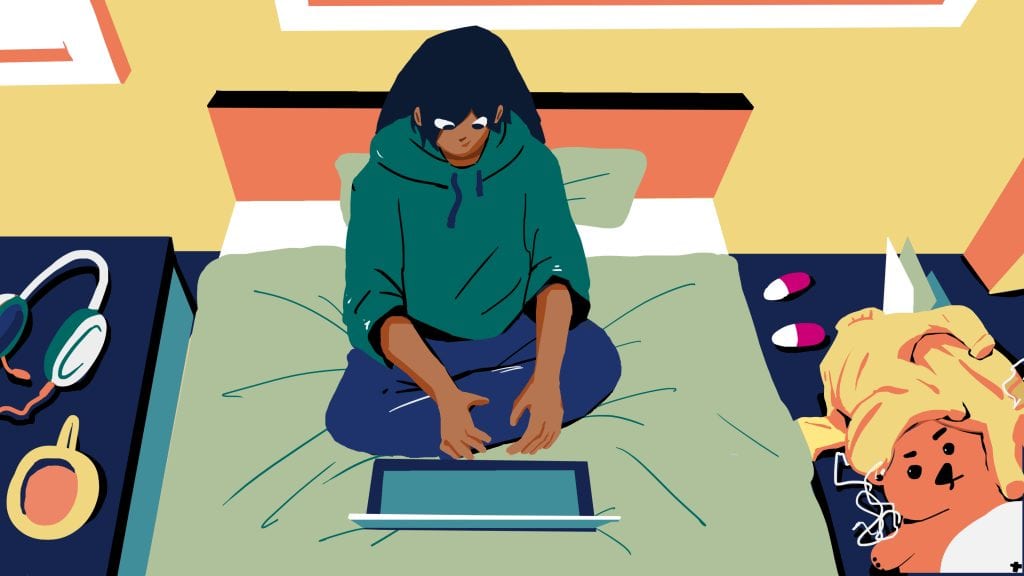
When you’re stressed, taking care of yourself can feel like an impossible task.
We’ve got tips to help you manage, including how to break things down into smaller steps and ask for help.
How to tackle the causes of stress
There are lots of techniques and skills we can use to cope in moments of stress, but if it’s an ongoing problem, it’s common to feel overwhelmed or powerless.
If you’re struggling with stress, try these steps:
Ask for help
If you’re struggling, you do not have to manage on your own. You could speak to a trusted adult (like a parent or carer) or contact a helpline – they can listen to what’s on your mind and help you work through the rest of these steps together.
Identify the cause
For some people, there might be specific issue (like exams, or moving schools), while others might be struggling with something longer-term (like money worries or being a young carer). Whatever’s going on for you, being able to recognise what’s causing your stress is the first step to things getting better.
Think about what’s in your control
Understanding what’s actually in your control means you know what you can do something about. Often, stress is made up of things we can control and things we can’t control. For example, we can control how much we revise for an exam, but we can’t control the questions on the exam paper on the day. Or we can’t control a situation like having to move house, but we can think about how we approach the practical tasks while coping with our thoughts and feelings.
Remind yourself that your feelings are valid
Feeling stressed does not mean you’ve failed or that you’re weak. It’s understandable if things that are in your control feel difficult or overwhelming – and it’s also OK if it’s difficult to ‘let go’ of things that aren’t in your control too. Understanding that you can’t change something doesn’t make your feelings about it disappear.
Problem-solve
Once you understand what’s going on, you can think about your options and what to do next. A lot of people find it helpful to speak to a trusted adult for help, because they can help you consider the different things you could do and what might be most helpful.
Make a plan
Making a plan (or a to do list) can help you feel in control – but it also means you can plan time to take care of yourself too, for example, by making time for meals, movement, and sleep.
Check back in with the plan
As you get going, remember the plan you made. You might have to adjust it if some things aren’t working, or if the situation changes, but it’s a helpful reminder of what you decided to try – and means you won’t forget to make time for self-care as well.
Getting more help for stress
Emergency?
If anyone is in immediate danger, call 999 now.
If you need urgent help for mental or physical health, call NHS 111 or get help from NHS 111 online.
Stress is not a mental health condition, so there aren’t specific treatments, but there is support available if you’ve tried to manage on your own but need more help to cope.
A good place to start is to speak to a teacher (if you’re at school) or a GP. They can suggest ways of coping, as well as telling you about options like social prescribing, counselling, mentoring, and talking therapy.
Getting help for physical symptoms of stress
A GP can help you with any physical health symptoms that you think might be linked to stress – they might do some tests to check there isn’t another cause and can suggest things you can try to improve your symptoms.
How to help someone else who’s struggling with stress
It can be difficult to know how to help when someone you care about is stressed, but there are things you can try.
Help them to spot their stress
Sometimes, our friends and the family are the first to notice something’s up. If you notice your friend is showing any of the signs of stress, you could gently let them know what you’ve noticed and ask if they’re OK.
Chat about the causes of stress
This isn’t about you having all of the answers for being able to fix anything – people often find it helpful to just have a space to chat about what’s going on.
Share helpful tips from trusted sources
If they’re struggling to cope with stress, you could share this page or read it together. You could even try some of the suggestions with them, like going for a walk together.
Spend time doing ‘friend stuff’
When someone’s stressed, it can be really helpful to have spaces to relax and have fun. Offering them the chance to do this (while understanding it might not always be possible) is a great way to show support.
Support them to speak to a trusted adult
No one should have to cope with stress on their own, and speaking to an adult like a parent, carer, or teacher is often the first step towards people getting the help they need.
Take care of yourself
Remember that it is not your responsibility to try to sort out anyone else’s stress – you need time to look after yourself too. If you’re worried about someone else, speak to a trusted adult.
Find more information
You can find more information on how to talk to someone who’s struggling, how to listen, and understanding boundaries and responsibility in the ‘Supporting others’ section of the website.
There’s also support if you’re a young carer, and tips for looking after yourself while supporting someone else.