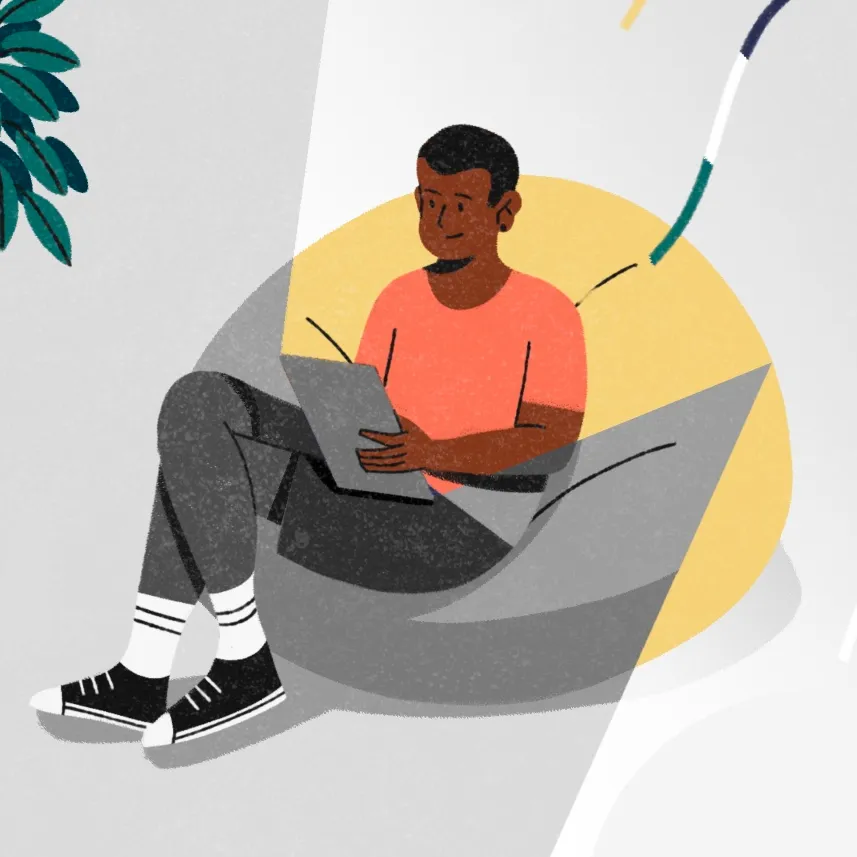
This page is about depression, which is a mental health condition. For more information about feeling sad, check out the page on sadness and low mood.
Jump to content on:
When does feeling low or depressed become a mental health problem?
Most people feel sad sometimes – and we all have times where we feel low or unmotivated. Especially if you’re too busy or going through something stressful, you might feel exhausted or irritable for a bit.
There are a few signs that suggest that low mood might be becoming a problem:
- If you’re feeling low all the time and the difficult days outnumber the OK days.
- If you’re struggling to do things you want to do or used to enjoy, like spending time with friends.
- If these feelings have lasted for several weeks and things aren’t getting better.
What is depression?
Depression is a mental health condition that affects your mood. Alongside feeling sad or low, you might feel irritable or numb. Depression also makes it difficult for people to feel motivated to do things and to enjoy things.
If someone you care about has died, you might experience grief. While grief can look or feel a bit like depression, it isn’t the same. Grief is a natural response to someone dying, and it usually eases and gets less intense over time, whereas depression is a mental health condition. For some people, grief can lead to depression, but this does not always happen.
What is seasonal affective disorder?
Seasonal affective disorder (SAD) is a type of depression that people experience during certain seasons (or certain types of weather).
Most of us prefer certain weather or times of year or notice that changing seasons affect our appetite and energy levels. But people with seasonal affective disorder experience symptoms of depression that affect their daily life throughout the whole time of year (or weather).
People talk more about SAD in winter, but it’s possible to experience SAD in summer too.
Symptoms and signs of depression
There are lots of potential symptoms of depression because people experience it in different ways.
How can depression make you feel?
Depression can make people feel:
• upset, sad, or tearful
• low or down – some people describe this as feeling ‘meh’
• irritable, or easily frustrated
• exhausted or low in energy
• guilty about something specific, or just in general
• like you’re worthless
• really critical about yourself
• numb or empty
• alone or isolated
• hopeless, like things will never get better
• helpless, like you can’t do anything to make a difference
• self-destructive, or like they can’t (or don’t want to) take care of themselves
• suicidal thoughts and feelingsWhat might people do if they have depression?
People with depression might:
• not feel able to do things they usually enjoy
• isolate themselves from other people
• self-harm
• find it hard to concentrate or think clearly
• find it hard to fall asleep (or to sleep through the night)
• sleep a lot or too much
• lose their appetite or eat less than they usually do
• eat more than they usually do
• experience physical aches and pains (like headaches) that don’t have any other cause
• move very slowly
• be restless and struggle to sit still and relax
• find it difficult to talk
• find it difficult to make decisions
It is not uncommon to experience both depression and anxiety, so people sometimes find their symptoms overlap.
Some people with depression also experience symptoms of psychosis, although this is less common.
How does depression impact someone’s life?
Depression affects people differently.
Some people can still carry on with some of their day-to-day activities. Their depression can sometimes be called ‘mild’ depression – but they still deserve the help and support they need to get better and feel OK again.
Other people find that their depression has a big impact on their day-to-day life. It might affect their friendships and other relationships if they don’t feel able to spend time with other people. It might also affect their education or work, which can sometimes mean they struggle with money.
Sometimes, people with depression find that they are stuck in a tricky cycle where they’re struggling to find the motivation to do things like showering or spending time with friends, but not doing these things makes their mood even worse. This is one of the reasons it is important for people with depression to get help, so they can escape this pattern and start to feel better.
How do you know if you have depression?
People are diagnosed with depression by a medical professional. Who this is can depend on things like your age, as well as your specific experiences.
A GP can often diagnose depression in adults, but diagnosing mental health conditions in young people is often more complex. Generally, young people are referred to a more specialist service, where professionals can spend a bit more time getting to know them and understanding everything that’s going on in their life.
Whichever medical professionals you speak to, they diagnose people using diagnostic criteria – specific guidelines about the signs and symptoms that mean someone has depression, rather than any other mental health condition.
To do this, they will talk to you about your symptoms – they might ask you to fill out some questionnaires that ask you about how often you experience certain symptoms too. You might also talk about anything you think might be contributing to your low mood.
Depression can’t be diagnosed by any sort of blood test or scan, but sometimes people with symptoms of depression might have blood tests so doctors can check that their symptoms aren’t caused by a physical health condition.
What causes depression?
There is no simple explanation about what causes depression.
Some people’s depression is triggered by more than one thing, while other people might develop depression without being able to identify an obvious reason or cause.
Childhood experiences
Going through difficult experiences when you’re a child or young person, and the distress that they cause, might be part of the reason someone develops depression. People often think of ‘difficult experiences’ as a big, traumatic event. But going through multiple smaller difficult experiences can also have a big impact.
Life events
Almost everyone will experience some things that are stressful or upsetting (like a relationship ending, work stress, or someone they love dying) at some point. For some people, these stressful situations may trigger depression or make it harder to manage symptoms that they already have.
Discrimination
Experiencing discrimination (like racism, ableism, homophobia, and/or transphobia) can make it more likely that someone will develop a mental health condition like depression. People can experience discrimination in society (for example, when the systems behind things like education and housing are set up in ways that disadvantage some groups of people because of who they are), as well as when a person is being discriminatory against someone else in a specific situation. These experiences of discrimination can be traumatic.
Day-to-day life challenges
Some evidence suggests that depression is more common in people who live with challenges like being in poverty, not having a safe place to live, or not having supportive people in their lives.
Other health problems
People who live with physical health conditions or other mental health conditions can find that their symptoms, or things that have happened to them as a result of their condition, can cause depression.
Family history
Research suggests that people with a close family member with depression are more likely (but not certain) to develop it too. We don’t know how much of this is due to biology (like genes inherited from your parents) and how much is due to your family being around you as you grow up and learn how to cope with the world. If genes are involved, it’s likely that it’s much more complex than one single gene causing depression.
Medication, drugs, and alcohol
Alcohol and drugs can cause depression, including in people who have started used them because they want to feel better or distracted. Some prescribed medications can also affect people’s mood as a side effect. Doctors can often help people find alternative medications that don’t affect their mood.
How can anti-depressant medication work?
Anti-depressant medication works by affecting your brain chemistry. This doesn’t mean that it’s ‘fixing’ anything that’s ‘wrong’ – it might be that it’s helping in a different way. In the same way, painkillers help with a headache even though the headache isn’t caused by a lack of painkiller.
If you have depression, how you understand it is up to you. Some people find it helpful to think about the chemicals in their brain, while others find it more helpful to focus on the things that have happened to them in life. Plenty of people understand their depression as both of these things happening at once (and affecting each other).
Treatment and looking after yourself if you have depression
Treatment for depression might include talking therapies such as cognitive behavioural therapy (CBT) (which can also be delivered as guided self-help) or family therapy. For some people, it might also include medication.
There are also things that everyone can to do help with low mood – whether it’s the result of depression or not. These things don’t always aim to tackle the causes of feeling low but can help you cope with it.
Talk to someone you trust
It can make a big difference for a trusted adult to understand how you’re feeling. They might be able to help you try things to boost your mood and can support you to get more help if you need it.
Try to do things you usually enjoy
It can feel really difficult to carry on with things when you’re depressed, but spending even a short amount of time trying to engage with a hobby or chat to a friend or family member can be an important step towards recovery.
The five ways to wellbeing
Adding wellbeing-boosting activities to your life can be a positive distraction, as well as giving you opportunities to challenge your depression and prove it wrong.
Take care of yourself and your body
Depression can make it challenging to take care of yourself, but prioritising healthy sleep, eating enough, and personal hygiene can make a positive difference. If you’re finding it difficult, check out our tips for when you’re struggling with self-care.
Making a self-soothe box
Self-soothe boxes are filled with items that can help you cope when things feel overwhelming. What you put in a self-soothe box is up to you, but people often choose items that help them engage with their senses.
Journalling
Journalling can be a really helpful way to express and explore your thoughts and feelings. How you approach journalling is up to you – some people write, while others voice note. You can also use templates if you’re not sure where to start.
How to get more help if you have depression
Emergency?
If anyone is in immediate danger, call 999 now.
If you need urgent help for mental or physical health, call NHS 111 or get help from NHS 111 online.
If you think you may have depression (or have a diagnosis but are struggling to manage), the first step is to speak to an adult you trust. This might be a parent or carer, teacher, youth worker, or GP.
Together, you can make a plan so that you get the support you need to cope.
If you’re not sure where to start or want to practise talking about depression before you have a conversation with an adult in your life, you might find it helpful to contact NATTER.
Text NATTER for help
Anyone can text ‘NATTER’ to 85258 to seek
help, wherever they are in the UK. It’s a free, anonymous service and available 24/7.
More about NATTER
How to help someone else with depression
If someone you care about has depression, it can be difficult to know how to support them. As well as being a good friend and including them in the things you do, there are some things you could try to help them.
Learn about depression
If you learn more about depression, other people with depression don’t have to spend as much time raising awareness. It also means you can better understand what’s going on for them, which can be really helpful if they do something you find difficult, like cancelling plans.
Avoid unhelpful comments
It is not helpful to tell people to ‘think positively’, or to remind them about other people who are experiencing difficult things. It’s also important to make sure that if you encourage someone to do something that might help, you don’t suggest that their depression is their fault (for example, by suggesting that doing something will ‘fix’ their mental health).
Listen to what they tell you
Everyone has their own experience of depression, so it’s really important to listen to people if they want to tell you what it’s like for them. It’s OK to ask how you can help, too, or if there’s anything you need to know about how they communicate.
Help them be kind to themselves
If someone with depression is struggling with something, you can show them that you understand it’s hard, while encouraging them to use any strategies they have to take care of themselves. Celebrating their ‘little wins’ is also a great way to show support.
Do normal ‘friend stuff’
When someone’s struggling with their mental health, spending time together talking about shared interests (or doing a hobby you both enjoy) can help them feel more like themselves again. This might mean continuing to invite someone to do stuff, even if they’re not always able to say yes.
Remind them you’re there
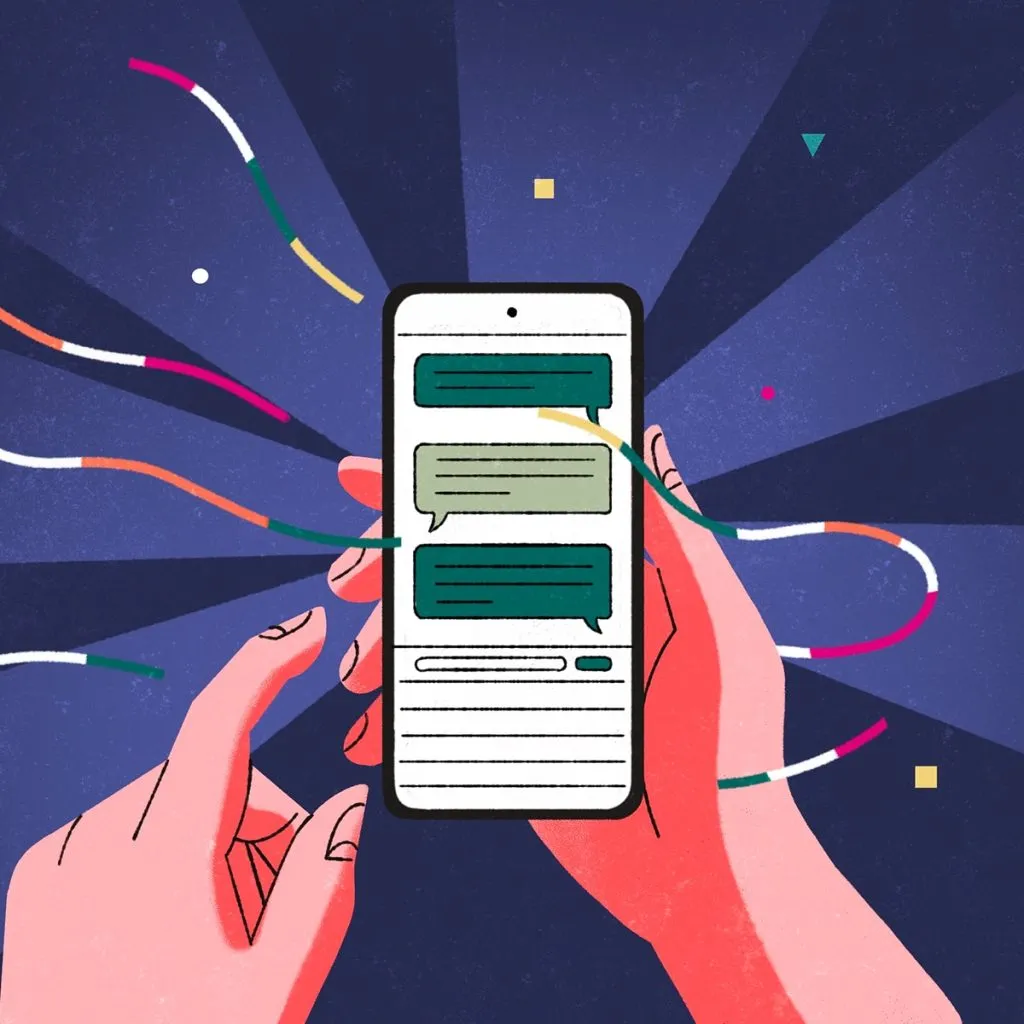
People with depression can find it hard to reach out or reply, even when they want to. If you know someone’s struggling, sending them a quick message or sharing an uplifting photo or video without putting pressure on them to reply can make a big difference.
Support them to get more help
You could offer to go with them to speak to a trusted adult or help them decide who they could talk to. It can be difficult for people to open up, but speaking to an adult they trust is often the first step towards them getting the help they need.
You can find more information on how to talk to someone who’s struggling, how to listen, and understanding boundaries and responsibility in the ‘Supporting others’ section of the website.
There’s also support if you’re a young carer, and tips for looking after yourself while supporting someone else.
Find support
Find trusted services that can support you when things feel overwhelming.