Jump to content on:
What is bipolar disorder?
Bipolar disorder is a mental health condition where someone experiences extreme changes in mood.
Symptoms and signs of bipolar disorder
People with bipolar disorder experience very high and very low moods, which often last for long periods of time (from days to weeks).
Everyone’s moods change, and it’s normal to experience ‘mood swings’, especially if you’re a young person and dealing with a lot of change in your life.
Bipolar disorder involves experiences that are much more intense than feeling happy or feeling sad. If someone has bipolar disorder, their episodes of intense high and low moods tend to last for longer periods than everyday emotions. Their moods often change without a trigger that’s easy to spot, too.
The words ‘mania’ and ‘hypomania’ are specific words to describe when someone with bipolar disorder’s mood is high.
What’s the difference between mania and hypomania?
Hypomania is a milder, less severe form of mania. Here are some of the differences:
- Mania usually totally disrupts your daily life or stops you doing things altogether. If you’re experiencing hypomania, you might still be able to work or spend time with friends.
- For an episode to be mania, it has to last for at least one week. For an episode to be hypomania, it has to last for at least four days. Both mania and hypomania can last for longer than this.
- Mania sometimes involves severe symptoms, including more extreme risky behaviours or psychosis. Hypomania does not include psychosis.
It can still be really difficult to experience hypomania, and it can still have an impact on your life. However you experience mania or hypomania, support is available to help you cope.
What are the symptoms of mania and hypomania?
Everyone experiences mania and hypomania differently. Not everyone will experience all of these symptoms:
- Feeling an intense sense of happiness, joy, or excitement.
- Being irritable.
- Having a lot of energy or feeling restless.
- Having racing thoughts and not being able to concentrate.
- Talking really fast.
- Saying inappropriate things that are out of character or not usual for you.
- Not sleeping as much, or not sleeping at all.
- Feeling really confident or adventurous.
- Having a higher sex drive (libido) than is usual for you.
- Assessing risk differently – this might mean you try risky or extravagant things that you wouldn’t otherwise do, for example, spending lots of money or having unsafe sex. You might feel like you can’t be harmed.
- Sometimes, experiencing symptoms of psychosis.
What are the symptoms of low mood or depression in bipolar disorder?
Everyone experiences low mood and depression differently. Not everyone will experience all of these symptoms:
- Feeling a lot of guilt and regret about what you’ve done during an episode of mania, or sometimes, forgetting what you’ve done during an episode of mania
- Feeling really sad or upset
- Feeling worthless or hopeless
- Feeling really tired, or like you have no energy
- Not being interested in things you really enjoy
- Sleeping a lot or having difficulty sleeping
- Eating too much or not eating enough
- Not being able to concentrate
- Avoiding seeing other people or spending time with them
- Having suicidal thoughts or thoughts about harming yourself
How does bipolar disorder impact someone’s life?
You might hear bipolar disorder being called a ‘severe mental illness’. This means it’s a mental health condition that doesn’t go away and that, for most people, it has a big impact on their ability to live their day-to-day life when it is not well managed.
But this doesn’t mean that things are hopeless. With the right support, people with bipolar disorder can go on to lead happy and fulfilling lives.
People with bipolar disorder often have ‘stable’ periods, where they don’t experience mania, hypomania, or depression. Some people have stable periods that last for years, while other people’s stable periods are shorter.
Living with bipolar disorder can be difficult, so it’s important that you get the right support. It can affect people’s ability to get an education or go to work, their relationships with their friends and family members, and their physical health.
Some people find it difficult to go back to their ‘normal’ life after a period of mania or hypomania. You might feel guilt or regret about things you’ve done. You might also have to deal with the outcomes of things you’ve said or done, for example, if you’ve injured yourself doing something risky, said you’ll do something you can’t manage, or got into debt. It’s also common to need a lot of sleep and rest.
You might also miss parts of your mania or hypomania, for example, feeling confident, powerful, or creative. You might feel this way even though you know that you’re not safe when you’re experiencing mania, or at the same time as feeling regret or frustration about things that you have to deal with after an episode.
How do you know if you have bipolar disorder?
Watch this film to find out more about getting a bipolar disorder diagnosis:
You can only be diagnosed with bipolar disorder by a psychiatrist (a medically qualified doctor who is a specialist in mental health).
How do I get a referral?
To see a psychiatrist, you usually need to be referred by a GP or someone at your school. This means that the GP or person at school sends your details on to the service where the psychiatrist works, so they can contact you and offer you an appointment. In some places, you might be able to self-refer – this means that you can ask for an appointment a service, for example, by filling in an online form or making a phone call without anyone else (like a GP or teacher) helping you.
There’s more information on this website about getting NHS mental health support in England.
How will I be diagnosed?
Psychiatrists diagnose people using diagnostic criteria – specific guidelines about the signs and symptoms that mean someone has bipolar disorder, rather than any other mental health condition.
A psychiatrist might do a few different things to find out more about you and your experiences. The exact process is different for everyone, depending on their situation.
You might be asked to fill out some questionnaires, and they might talk to you and see what your behaviour is like. They might also ask your parents or carers how things are at home (and at school or college).
Bipolar disorder can’t be diagnosed by any sort of blood test or scan, but sometimes people with symptoms of bipolar disorder might have blood tests so doctors can check that their symptoms aren’t caused by a physical health condition.
What causes bipolar disorder?
We do not know exactly what causes bipolar disorder. The research that’s been done suggests there might not be one cause, so we think a combination of different things can play a part in someone developing bipolar disorder.
Childhood experiences
Going through difficult experiences when you’re a child or young person, and the distress that they cause, might be part of the reason someone develops bipolar disorder. People often think of ‘difficult experiences’ as a big, traumatic event. But going through multiple smaller difficult experiences can also have a big impact.
Life events
Almost everyone will experience some things that are stressful or upsetting (like a relationship ending, work stress, or someone they love dying) at some point. For some people, these stressful situations may trigger an episode of mania, hypomania, or depression, or make it harder to manage symptoms they already have.
Family history
Research suggests that people with a close family member with bipolar disorder are more likely (but not certain) to develop it too. We don’t know how much of this is due to biology (like genes inherited from your parents) and how much is due to your family being around you as you grow up and learn how to cope with the world. If genes are involved, it’s likely that it’s much more complex than one single gene causing bipolar disorder.
Medication, drugs and alcohol
Alcohol and drugs can cause symptoms that are similar to some of the symptoms of bipolar disorder. Some prescribed medications can also cause hypomania or mania as a side effect of taking or stopping taking the medication. Some studies suggest that certain drugs can increase your risk of developing bipolar disorder, but the evidence is very limited.
Some people can identify triggers for episodes of mania, hypomania, or depression, for example, not getting enough sleep or experiencing a lot of stress. Being able to spot these potential triggers can be helpful, as it means you can try to avoid them as much as possible, or make a plan to help you stay well if they happen.
Treatment and looking after yourself if you have bipolar disorder
There isn’t a cure for bipolar disorder, but there are different ways you can manage your condition with support from healthcare professionals and the people around you.
Your treatment for bipolar disorder might include medication and talking therapies such as cognitive behavioural therapy (CBT).
There are lots of things you can try to do to help you stay well if you have bipolar disorder.
It’s a good idea to make a plan with the people who support you, including things that can help stop you getting unwell, early warning signs that you might be getting unwell, and things you (and the people around you) can do in response to those early warning signs.
What can help you stay well if you have bipolar disorder?
Everyone’s experience of bipolar disorder is different, but you might find it’s helpful to try to:
- have a regular routine, for example, eating meals and going to bed (and getting up) at the same time each day
- take your medication as it’s prescribed, if you’re prescribed medication
- monitor your moods, for example, by using an app
- get enough sleep
- eat a balanced diet
- move or exercise regularly
- make time for a hobby or interest you care about
- have strategies to manage stress and stressful situations
- talk to supportive people – for example, friends, family members, teachers, or faith leaders
- speak to your school, college, university, or workplace so they can make adjustments to support you
What might you need to avoid if you have bipolar disorder?
Everyone’s experience of bipolar disorder is different, but you might find it’s helpful to avoid:
- taking drugs
- smoking
- drinking too much alcohol
- stress (as much as possible), for example, by reducing how many responsibilities you take on
- drinking too many drinks with caffeine in, like tea, coffee, and Coke
- shift work or working very long hours, if possible
- flying at night or across time zones, if possible
How to get more help if you think you have bipolar disorder
Emergency?
If anyone is in immediate danger, call 999 now.
If you need urgent help for mental or physical health, call NHS 111 or get help from NHS 111 online.
If you think you may have bipolar disorder (or have a diagnosis but are struggling to manage), you should make an appointment with your GP (or the mental health service supporting you, if you’re already accessing mental health care). Find out more about getting help from an NHS GP in England.
You could ask an adult you trust to help you make the appointment or to go with you, if you would find that helpful.
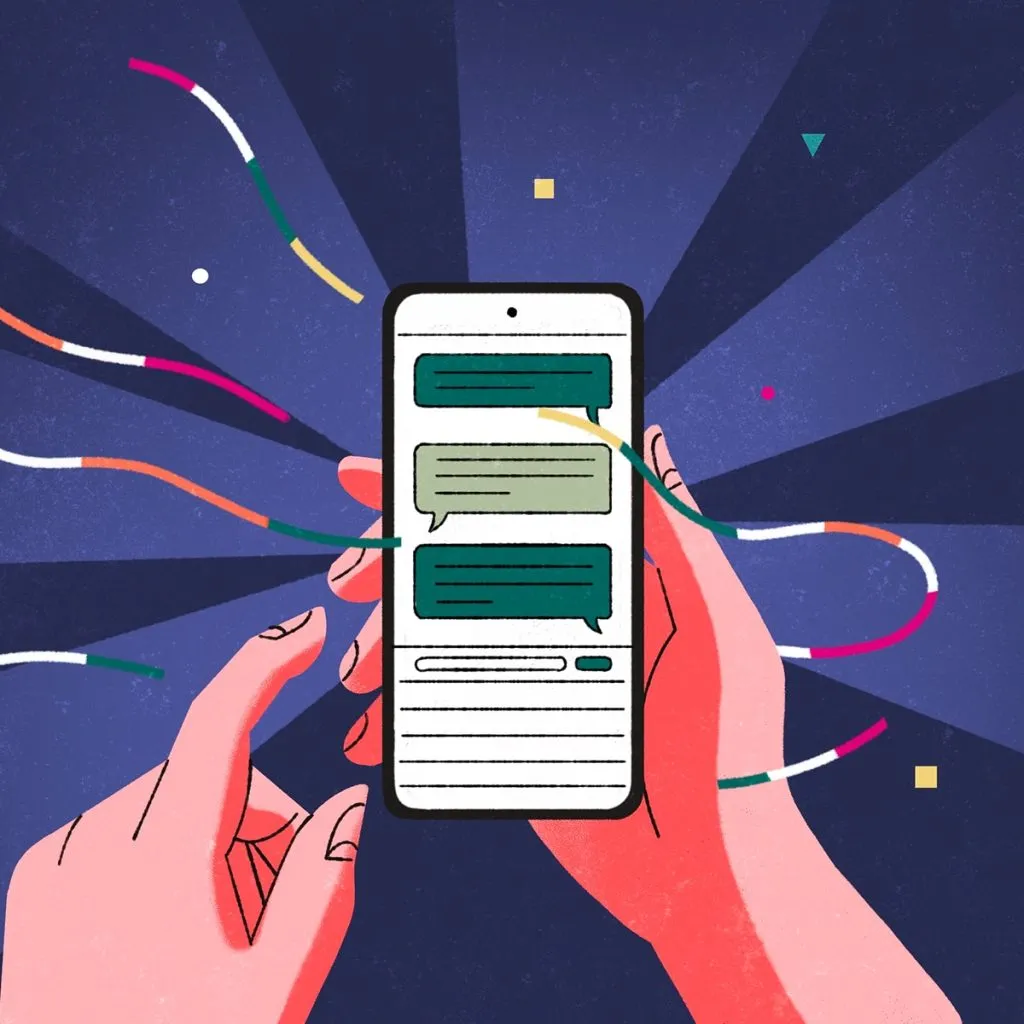
Text NATTER for help
Anyone can text ‘NATTER’ to 85258 to seek
help, wherever they are in the UK. It’s a free, anonymous service and available 24/7.
More about NATTER
There are also organisations that support people with bipolar disorder:
Bipolar UK
How to help someone else with bipolar disorder
If someone you care about has bipolar disorder, it can be difficult to know how to support them. You might be able to offer support in different ways, depending on your own life and your relationship with the person with bipolar disorder.
When someone is stable
It can be helpful to find out as much as you can about bipolar disorder, as well as talking to the person with bipolar disorder (and really listening) to find out what life is like for them.
Learning more about someone’s triggers can also be helpful because it means you can support them to avoid things that could increase the likelihood of them experiencing an episode.
If alcohol is a trigger, for example, you could make sure you have good non-alcoholic drink options available when you invite them over or drink non-alcoholic drinks with them on a night out.
You could also offer to help them make a plan for staying well with bipolar disorder.
During an episode of mania, hypomania, or depression
Emergency?
If anyone is in immediate danger, call 999 now.
If you need urgent help for mental or physical health, call NHS 111 or get help from NHS 111 online.
If the person has a plan they’ve made when they’re well, you can follow this – even if they don’t remember making the plan.
If it’s relevant, check out information on helping someone who’s experiencing depression and supporting someone who’s experiencing symptoms of psychosis.
Sometimes, people with bipolar disorder might do or say out-of-character things while experiencing an episode, which can include things that are mean, inappropriate or rude. As long as everyone is safe, it’s usually best to wait until the person has got help and feels more stable before talking about anything hurtful that happened.
After an episode of mania, hypomania, or depression
After someone experiences an episode, being there to show them that you still care and want to support them can make a real difference.
Depending on your relationship with the person, you might be able to help them to begin to manage anything that’s happened as a result of things they did during an episode, such as getting help to manage debt or getting tested after unsafe sex.
Supporting other people
Find more information about supporting others, including how to ask someone if they’re OK, how to listen, and understanding boundaries and responsibility.
There’s also support if you’re a young carer, and tips for looking after yourself while supporting someone else.
Find support
Find trusted services that can support you when things feel overwhelming.